
 USA
USA
 Germany
 Moldova
Optimizing Bookings for a Skydiving Experience
DZK
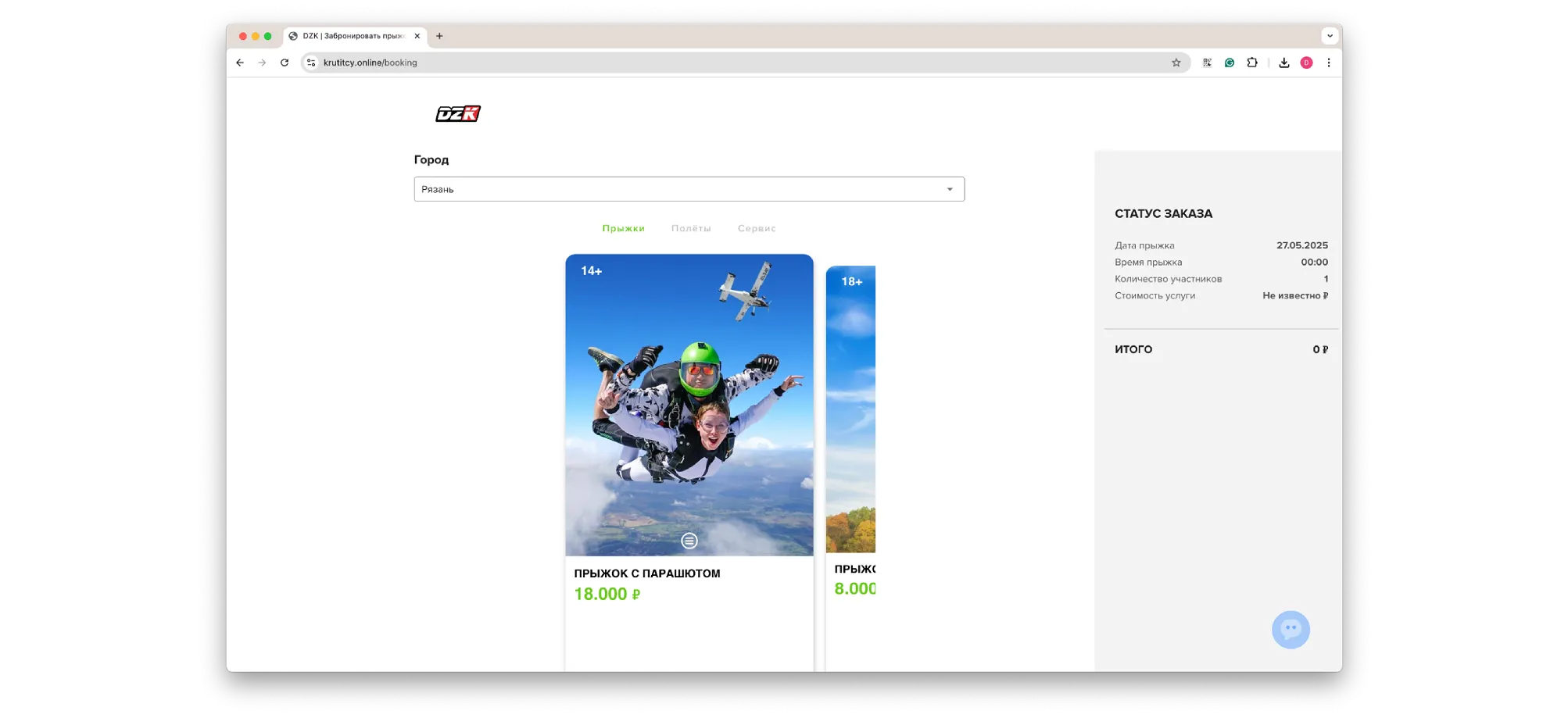
Problem: The client, who owns 5 airfields, faced several issues:
- Bookings were taken by phone and recorded in Excel.
- This led to errors, double bookings, and equipment downtime.
- It was impossible to track real capacity and profitability.
Our Task: To create a unified system that automates bookings, manages schedules across 5 locations, and gathers analytics.
How We Implemented This System
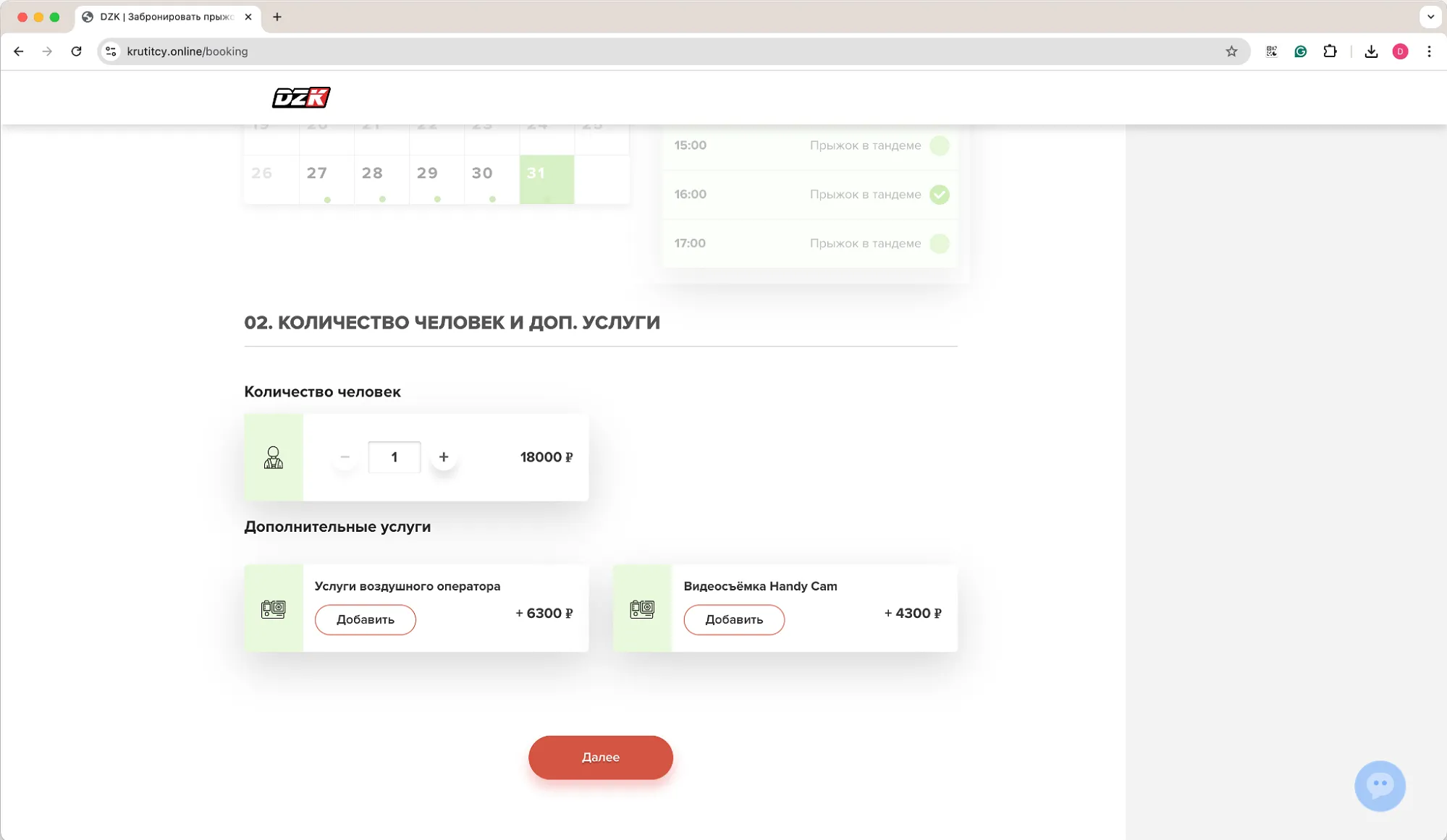
1. Developed a precise booking form
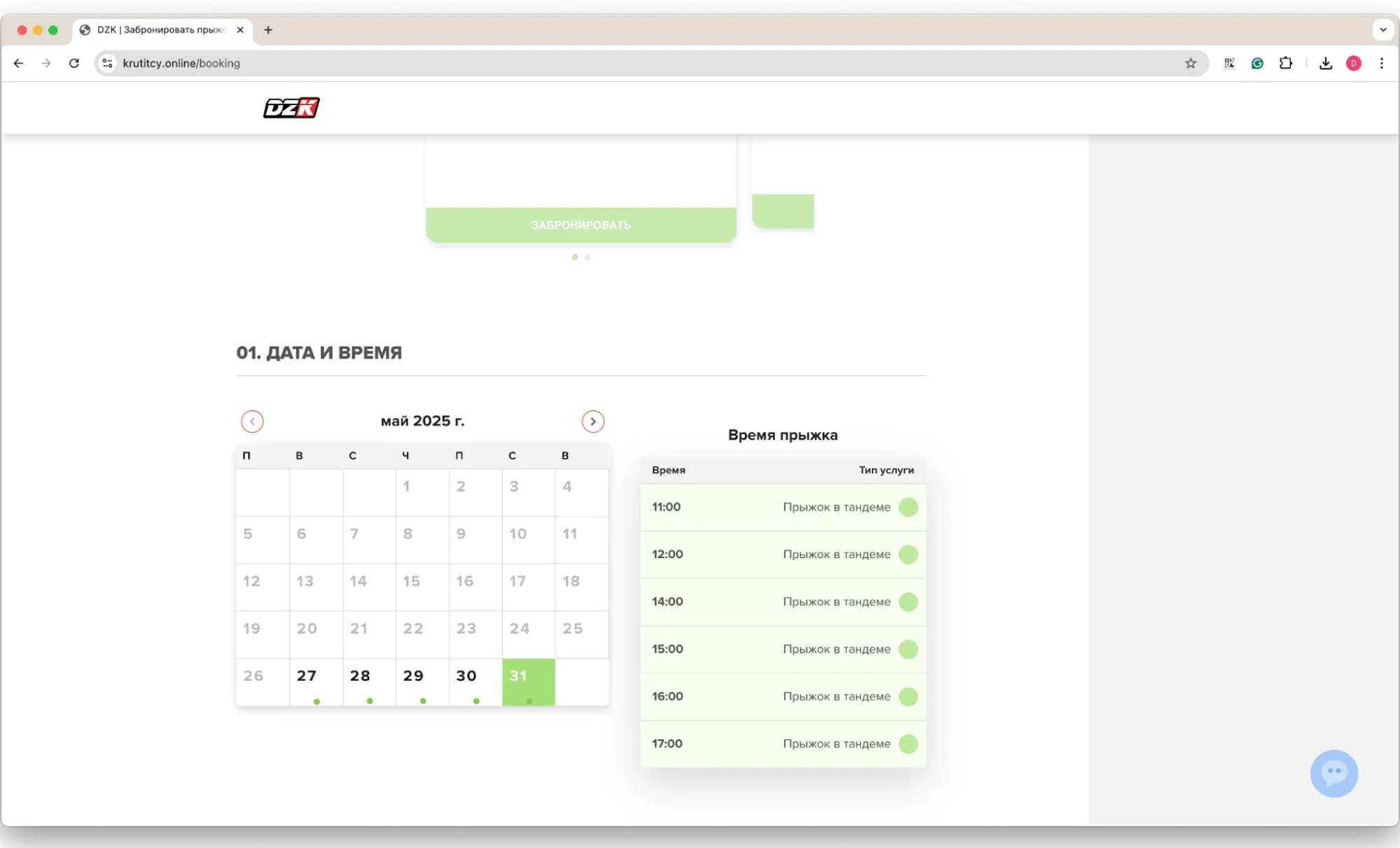
To reduce errors, we removed all unnecessary fields. The 3-step form (Service > Date/Time > Payment) automatically checks available slots in real-time. If there are no spots, the slot cannot be booked.
2. Created a flexible admin panel
The client previously experienced issues because their company had varying prices and services in different cities. We implemented a panel where an administrator can:
- Link a service to a specific city.
- Set a separate schedule and prices for it.
- Define a quota of spots for each time slot.
Result: Launching a new city in the system now takes an administrator 15 minutes, instead of 2 days of coordination.
3. Implemented a dynamic funnel algorithm
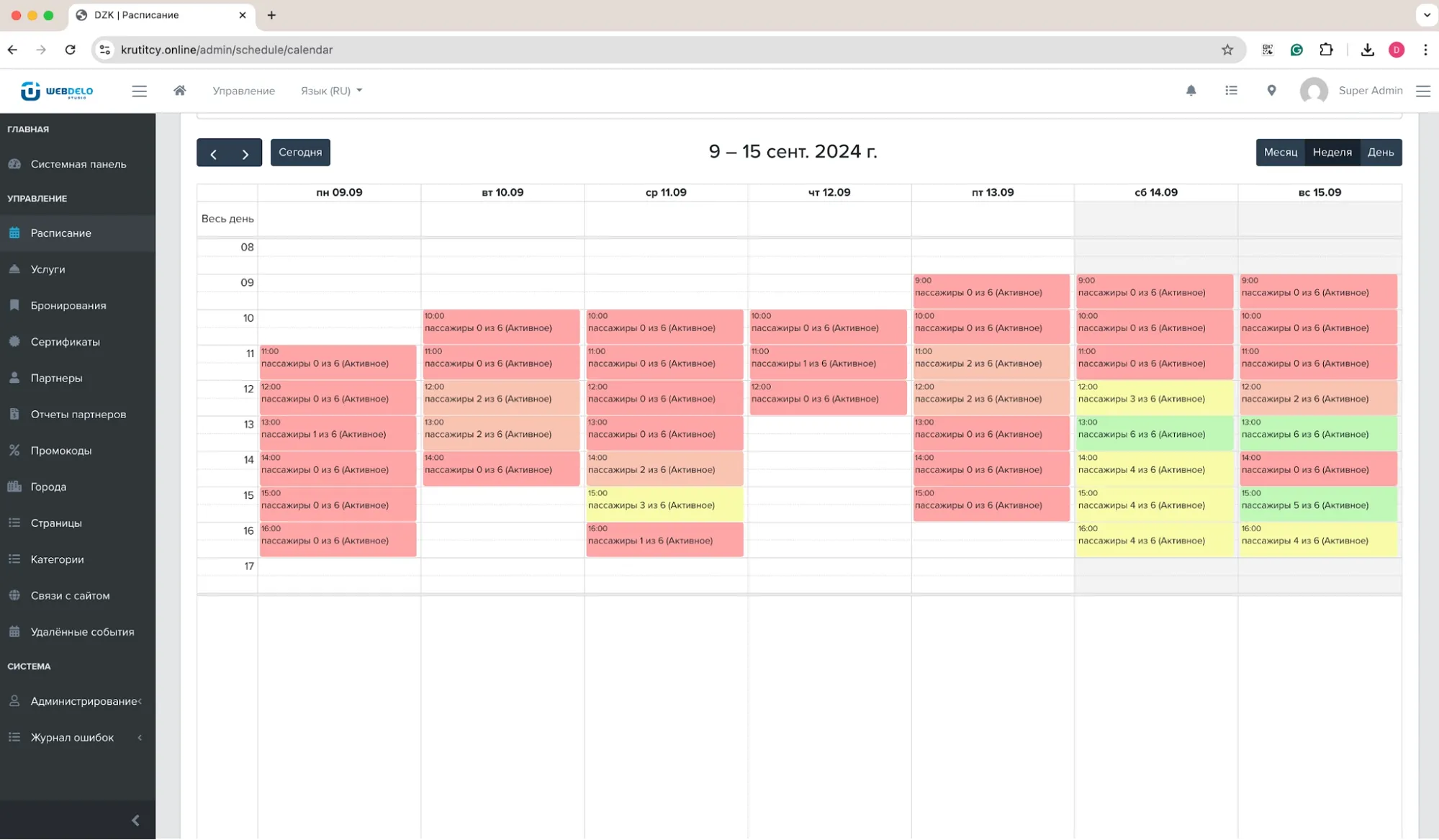
For flights to be profitable, aircraft shouldn't fly half-empty. We developed an algorithm:
- The system does not show all slots by default.
- New slots for Day X are opened automatically only after the current ones are 80% full.
- The owner sets this threshold themselves (60%, 80%, etc.).
Result: The system automatically ensures maximum aircraft capacity and minimizes "empty" flights.
4. Integrated marketing modules
We built in two tools to increase sales:
- Gift certificates: Ability to issue a certificate with a fixed validity period (e.g., 6 months).
- Promo codes: Ability to create a promo code for a discount (%) or a fixed amount. The system automatically validates them during booking.
5. Developed a partner module
We created a separate module so that travel agencies and instructors could sell flights. The partner sees their commission, and the owner tracks all sales and statistics for each partner in real-time.
Technology Stack
What We Used
We chose Laravel for the server-side logic (API) and Vue.js for the interfaces.
- Laravel ensures stable and secure transaction processing and schedule management.
- Vue.js makes the admin interface and booking form fast and responsive.
Conclusion
The system implementation allowed the client to move from chaotic manual accounting to a fully automated process. This reduced booking errors by 95% and gave the owner accurate data on the profitability of each airfield. The system's architecture makes it easy to add new cities and partners.
Other projects

VPUT is an aggregator for apartment rentals in Bulgaria. Over a dozen people worked on this project, with an overall investment of 300,000 euros. This rental property database currently features 2,200 units.
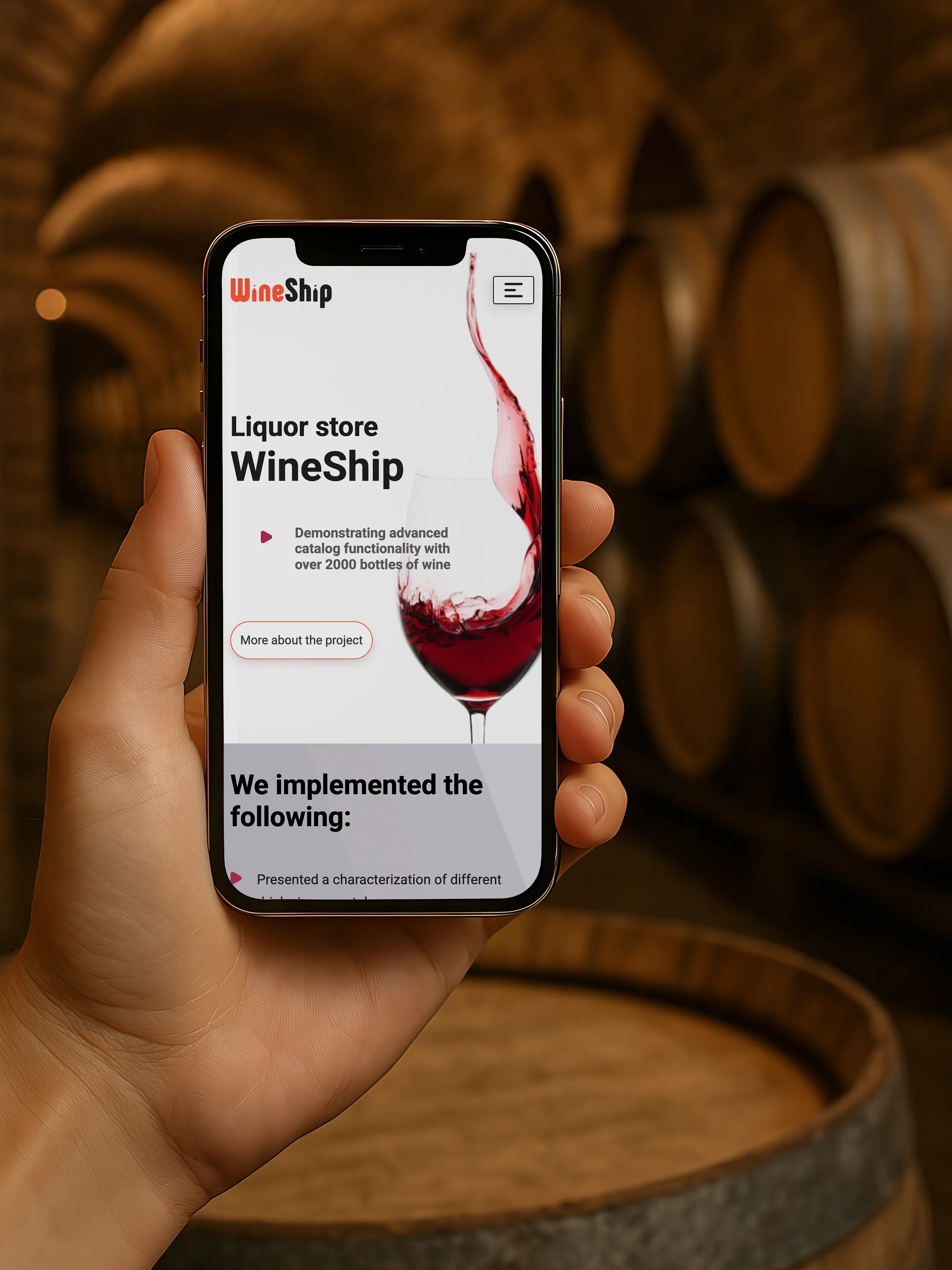
WineShip Liquor Store – advanced catalog functionality with over 2,000 bottles of wine.
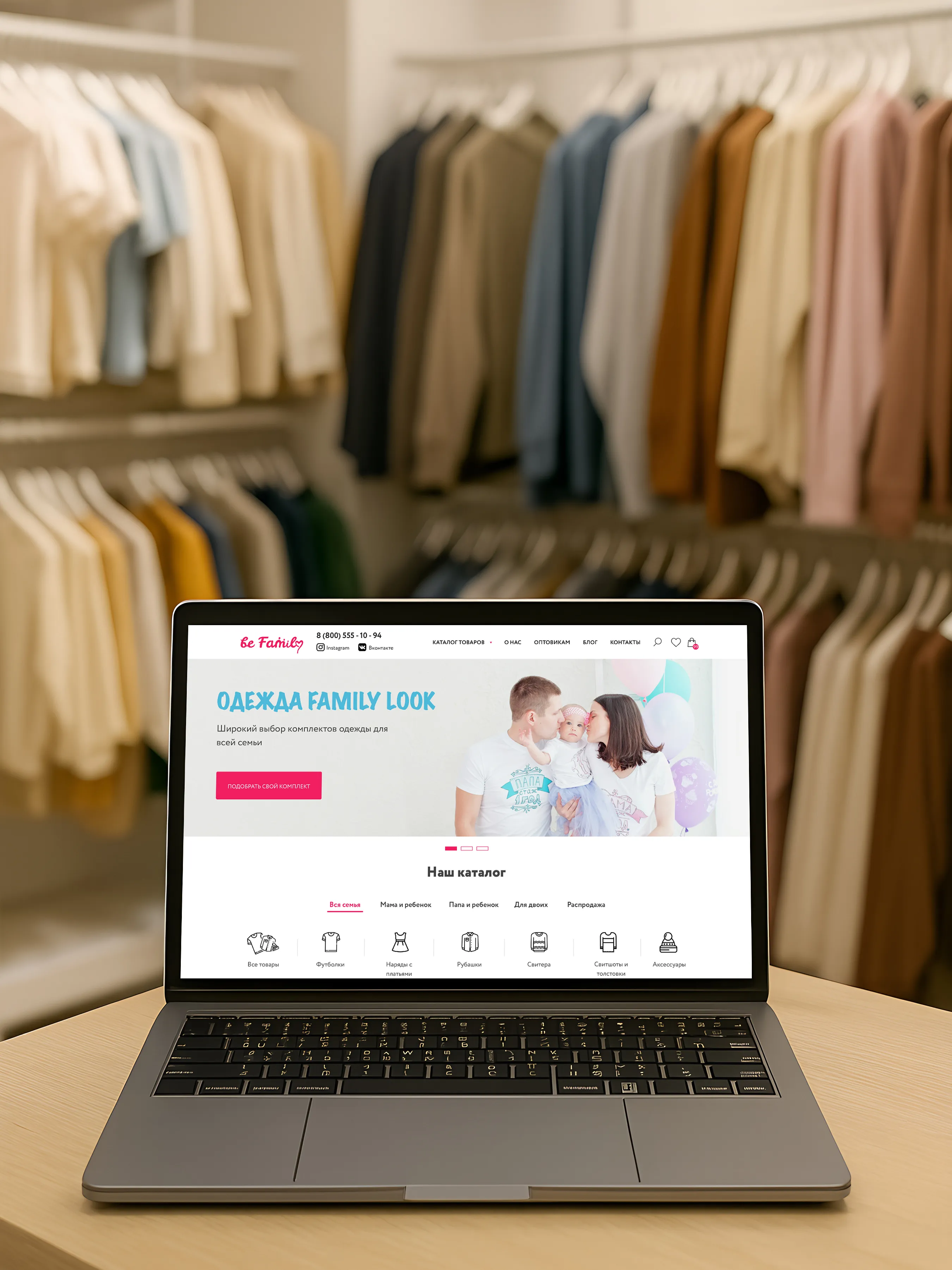
We developed a family clothing online store, optimizing the catalog, design, and user experience, boosting sales with SEO and usability improvements.
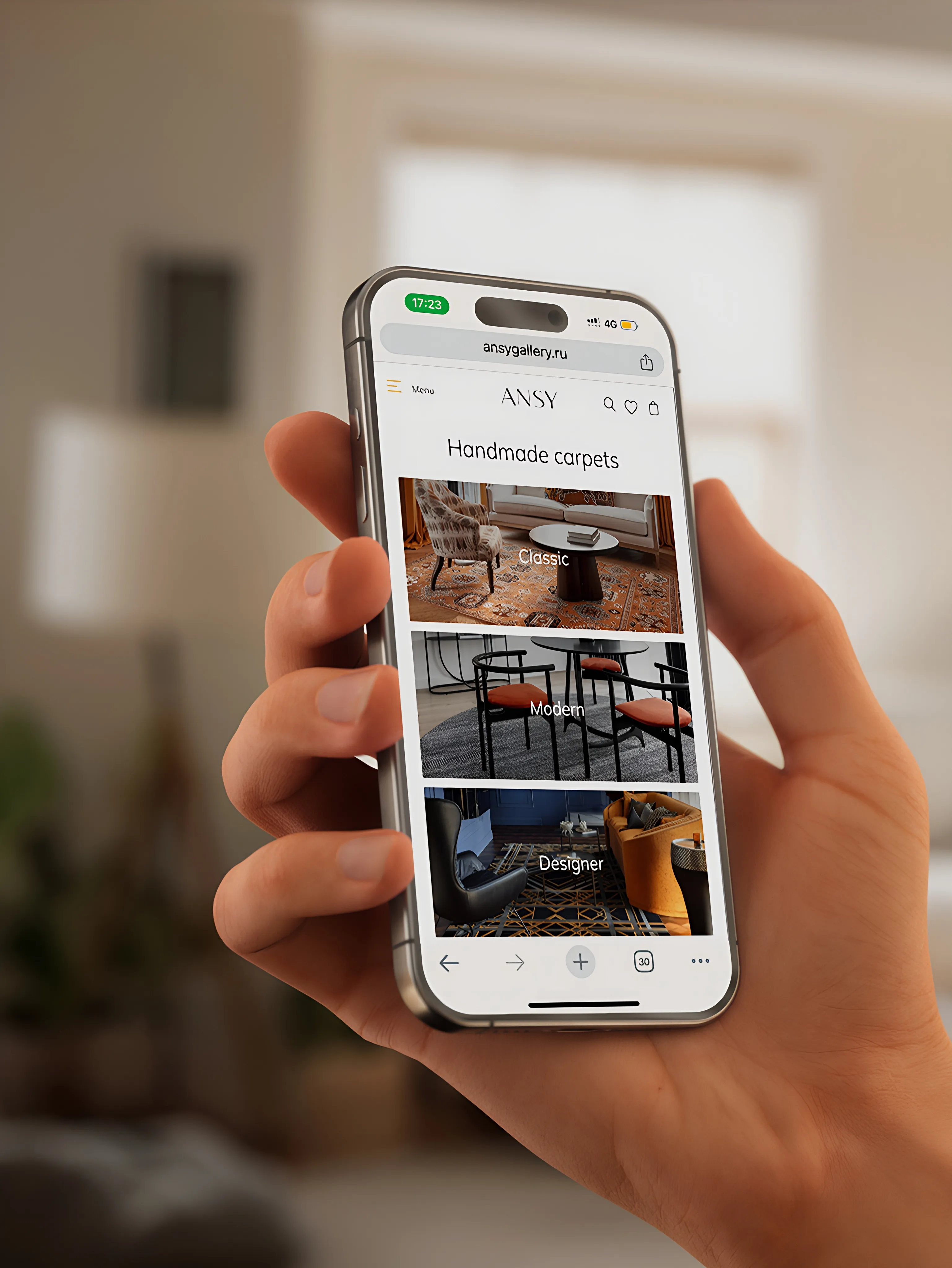
A modern site for selling elite, handmade carpets. Our main goal was to create a user-friendly, trustworthy website.

Successful launch of the RiseX cryptocurrency exchange from scratch – in just 7 months. The project involved 5+ people.
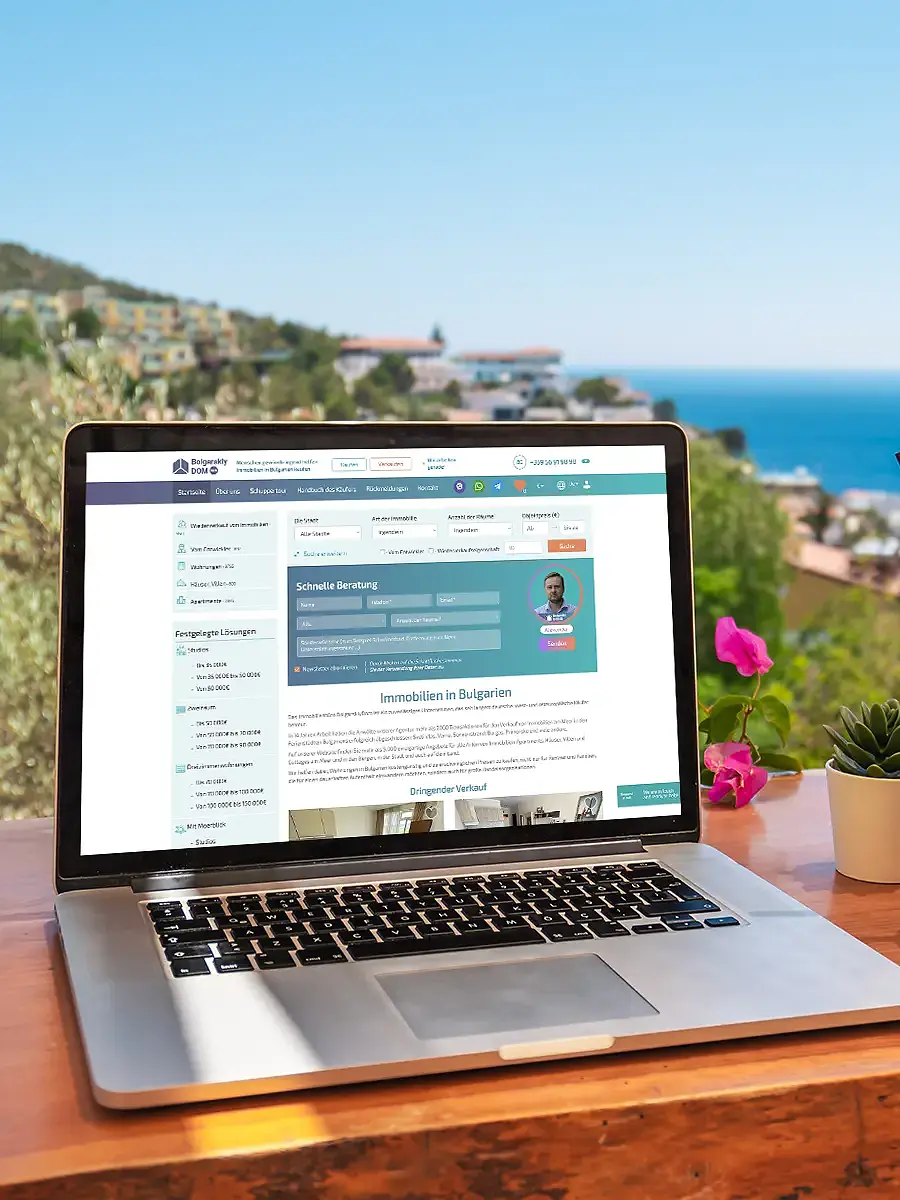
Bolgarskiy Dom is an aggregator for apartment sales in Bulgaria. Over 10 of our people worked on launching this project, creating a database of 5,000 apartments (as of 2024).

Neweurofences.com is an online store specializing in metal fences and gates. It operates in the USA, with delivery available to other countries.

Webdelo recently worked with a brand new dental office in a highly competitive market. We started with a limited budget, and this was one of our first projects in the USA. Read more to learn how we approached this project.

Solea Wellness is a beauty and health salon in Miami offering rejuvenation treatments. The client came to us with the request to increase the website's visibility in search results and attract new customers. The project started with zero rankings, which required a comprehensive approach to promotion and development.

🔹 As a salon in Miami increased applications by 3 times and organic traffic by 250% 🔹 From 0 to 180+ requests in TOP-3: real business growth case
Case study of the development and promotion of an online optical store. Over 10 people worked on this project, creating a catalog with over 10,000 individual items.
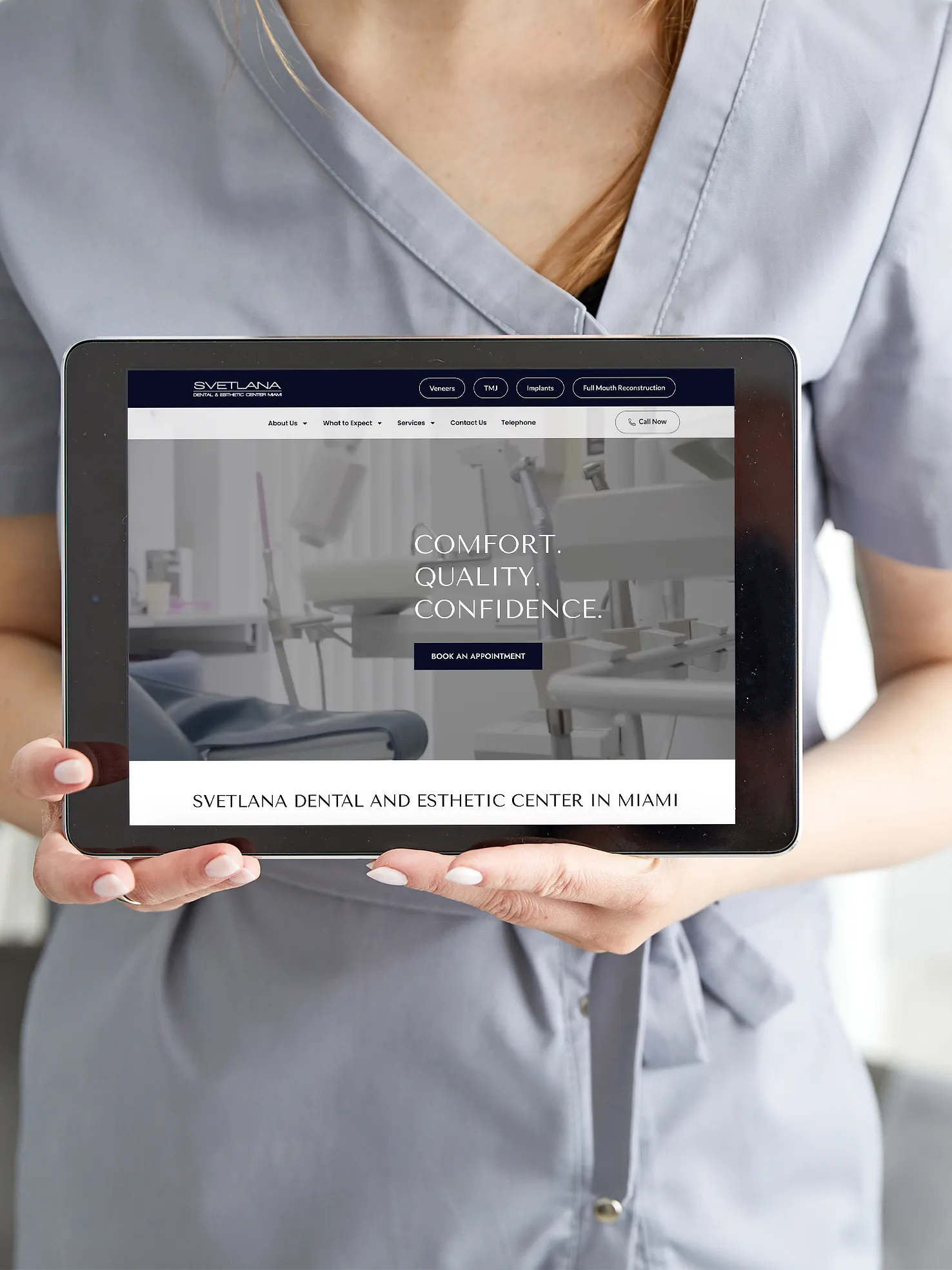
Our case study of Svetlanadental.com explores Webdelo’s work in the promotion and website development of a dental office located in south Florida, USA. This establishment is owned by a doctor with extensive experience in her field, and numerous awards.
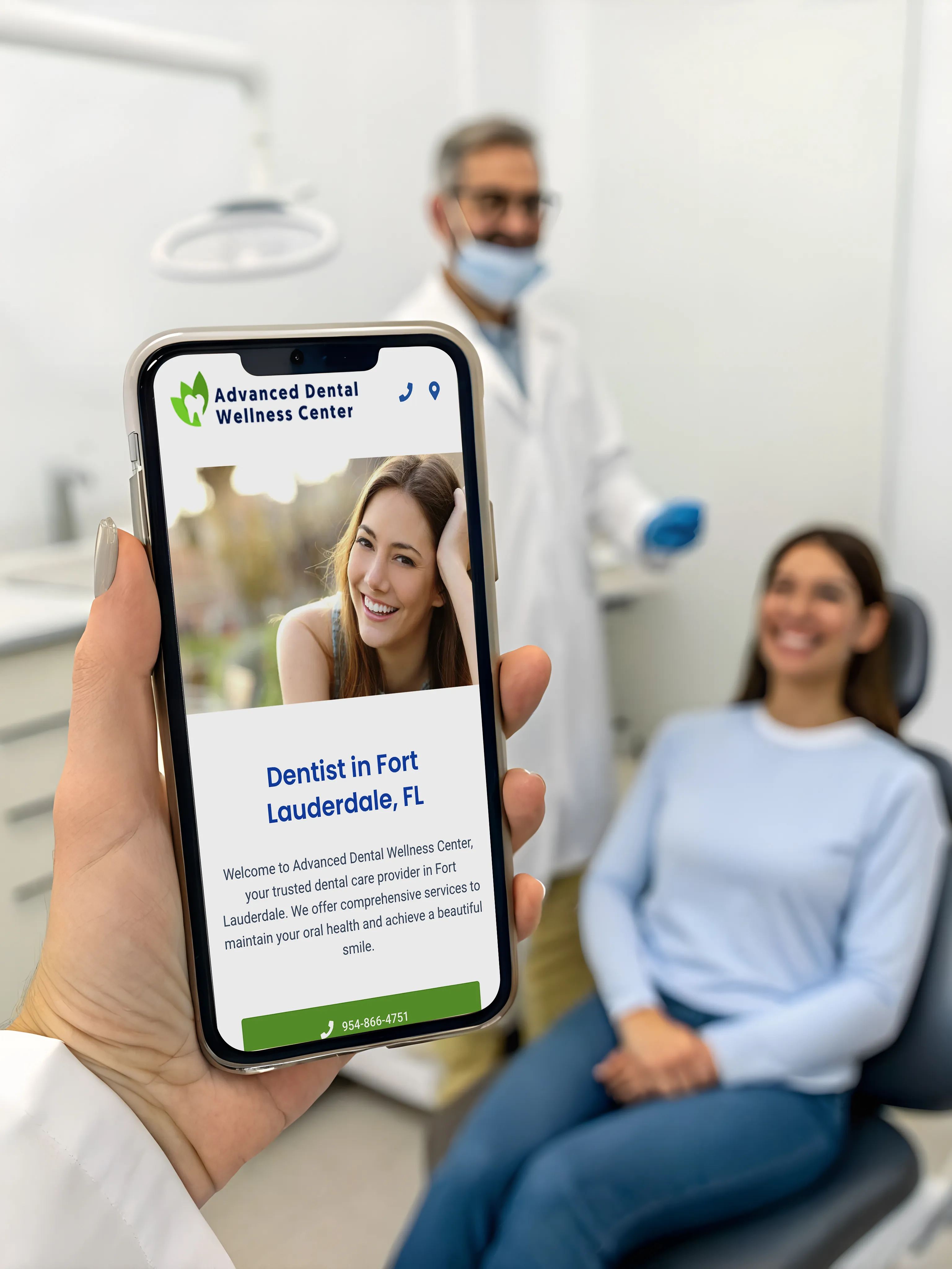
Advanced Dental Wellness Center is a dental office in Miami, Fort Lauderdale. ADW offers holistic dentistry with a unique approach to treatment.

Migrated MyMoneyArt to WordPress, optimized SEO & UX: +500% traffic, 6× more leads.

Biomilk is a food distributor in Moscow and the regions. +100% organic traffic in 3 months, 200 keywords in the top 10 of Yandex and Google.
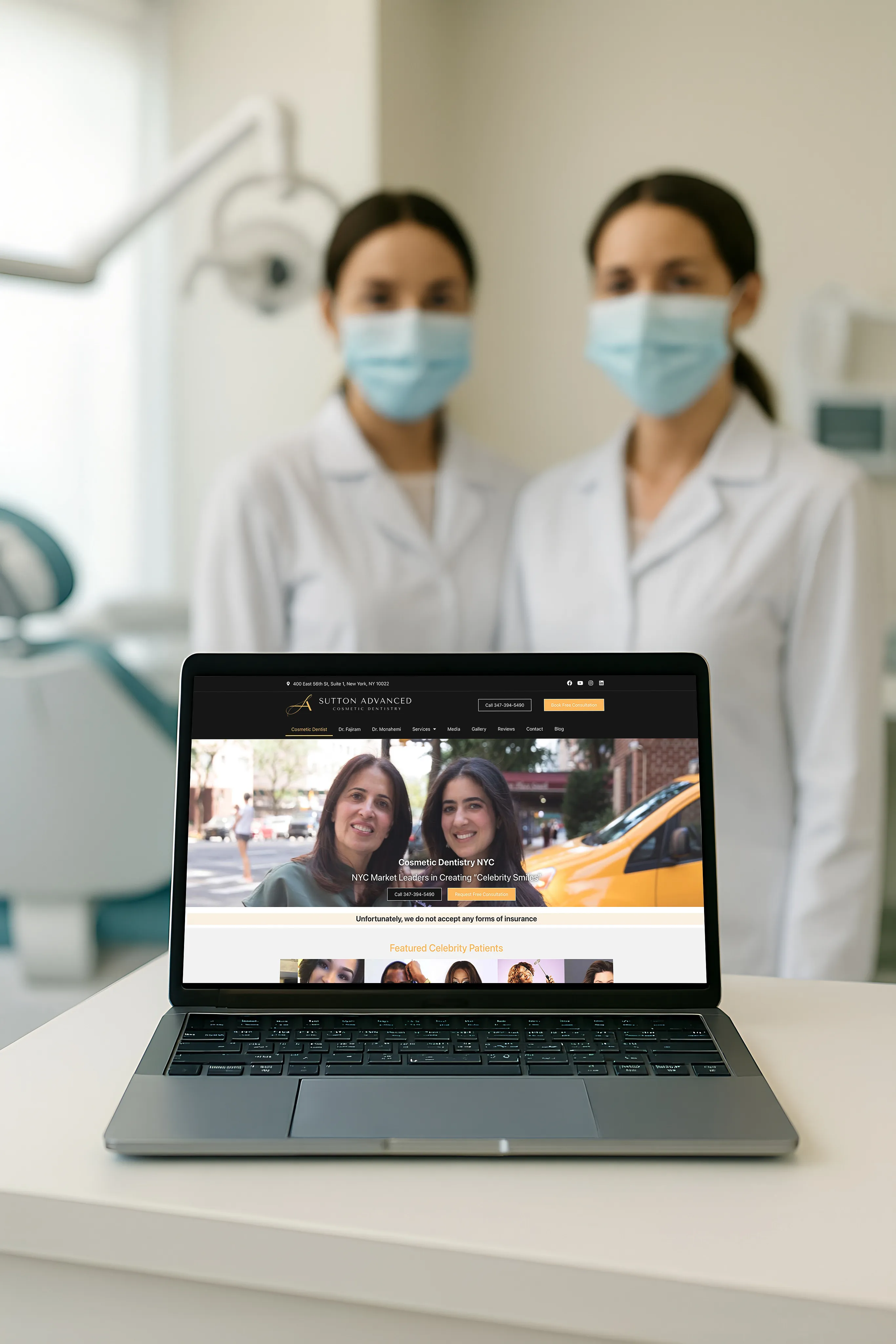
Promotion of VIP Dentistry in Manhattan, New York City From 13 to 80 Queries in Google’s Top 10 in Six Months
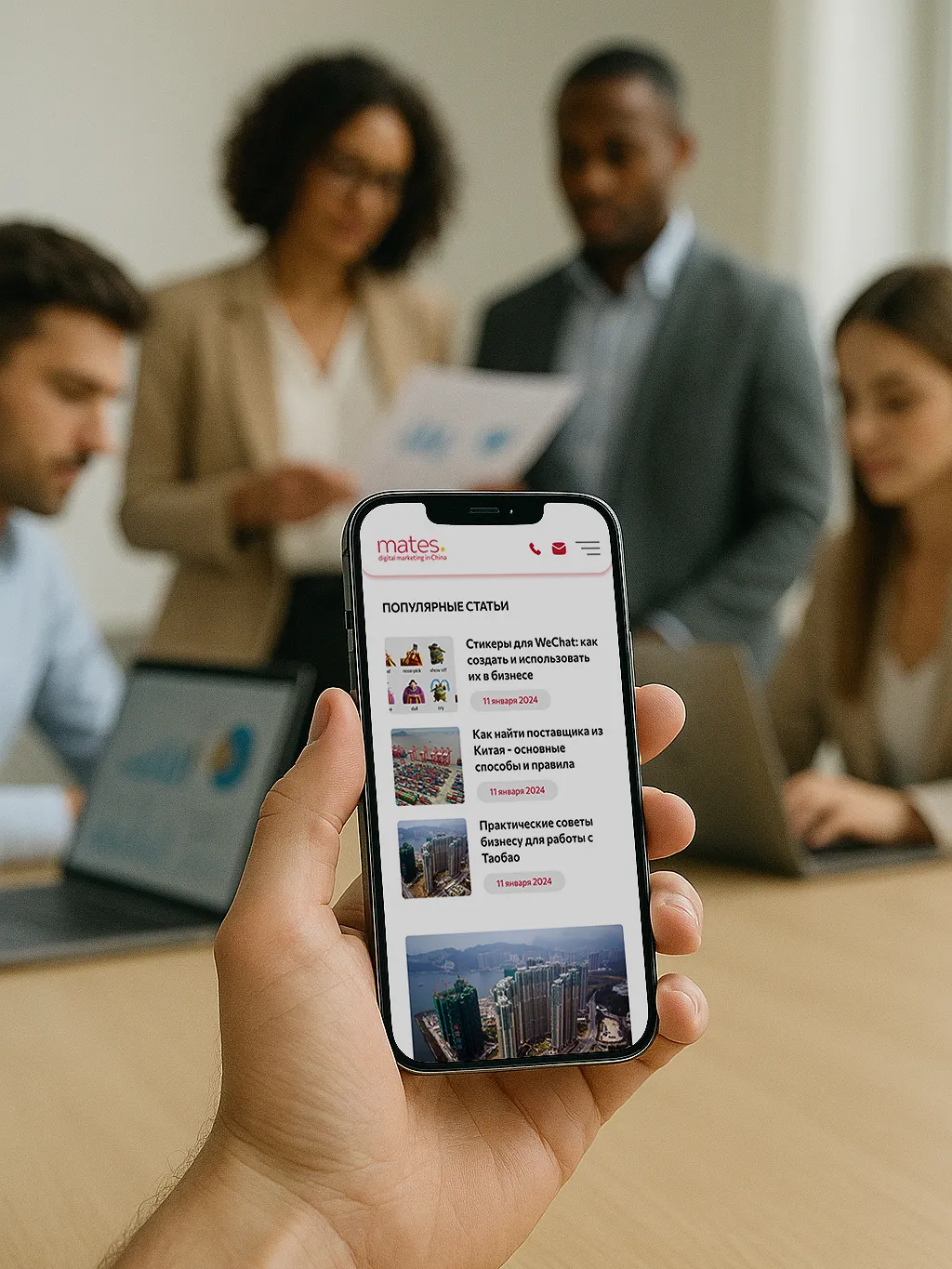
Mates China is a digital marketing agency that helps businesses promote their products in China through local social networks and marketplaces, including: WeChat, Weibo, Baidu, Douyin, LRB, and others. We helped their team increase traffic by 12 times over a period of 7 months.

How We Built a Vacation Rental Service in Bulgaria and Reached 1,500 Seasonal Bookings – From Idea to Full-Scale Product with SEO and Marketing
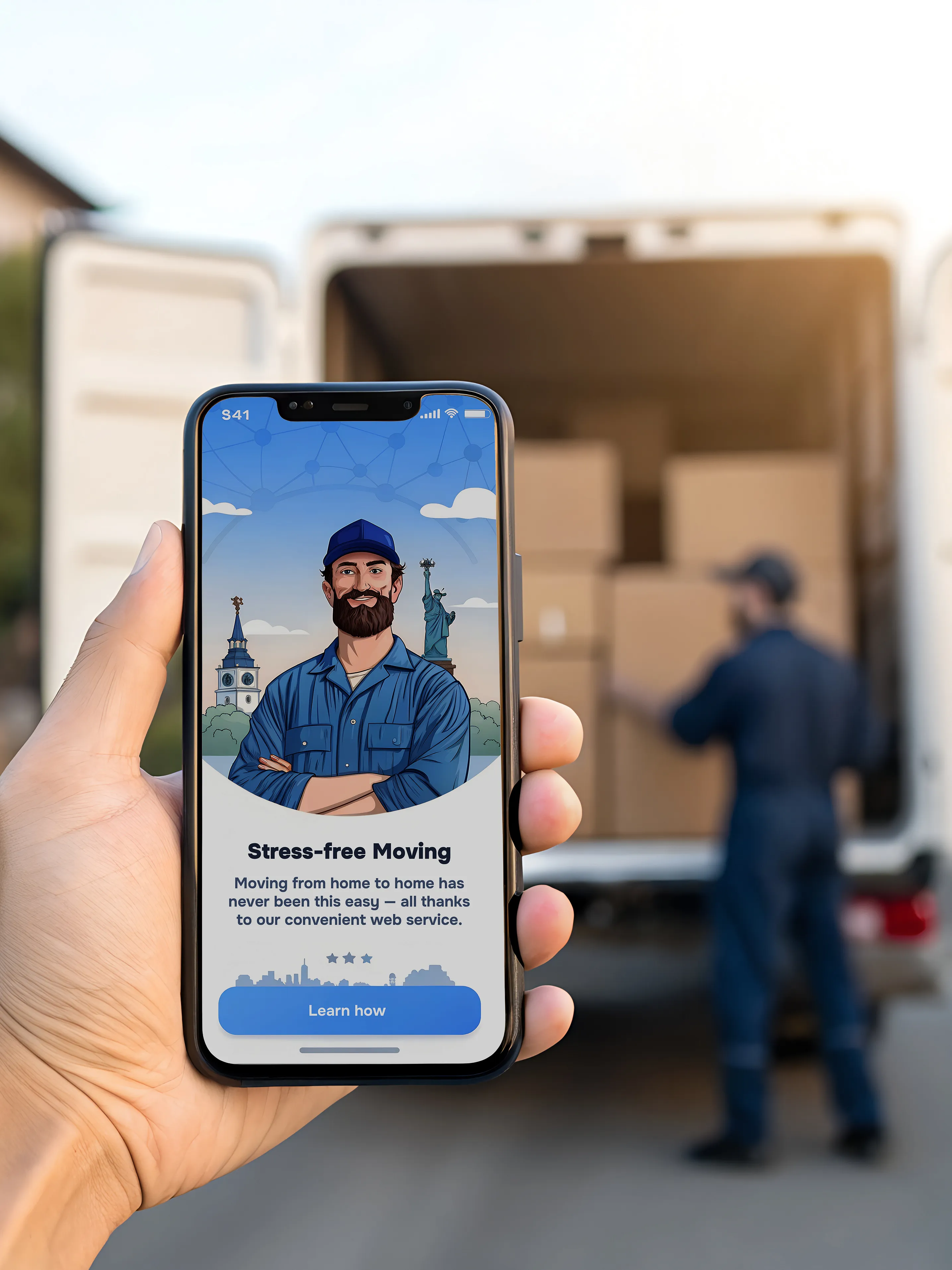
Online service with automatic price calculation and +40% orders right after launch.
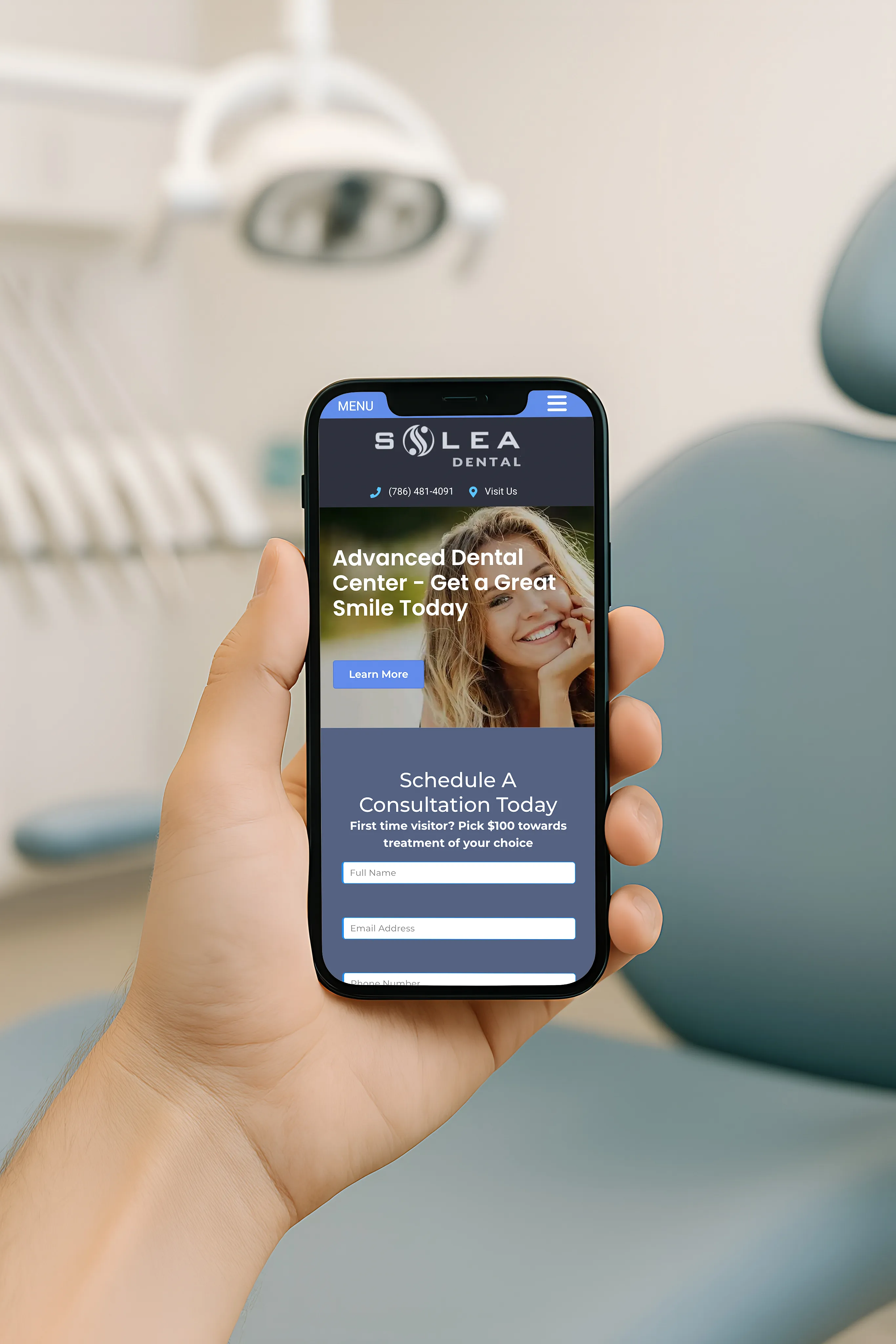
A dental clinic located in Sunny Isles Beach tripled its number of patient inquiries through search engine traffic and digital marketing. We started promoting the website from scratch, right after the clinic launched.

Explore our SEO approach — from analysis and audits to content, links, and ads. See how we drive businesses to the top of search results.
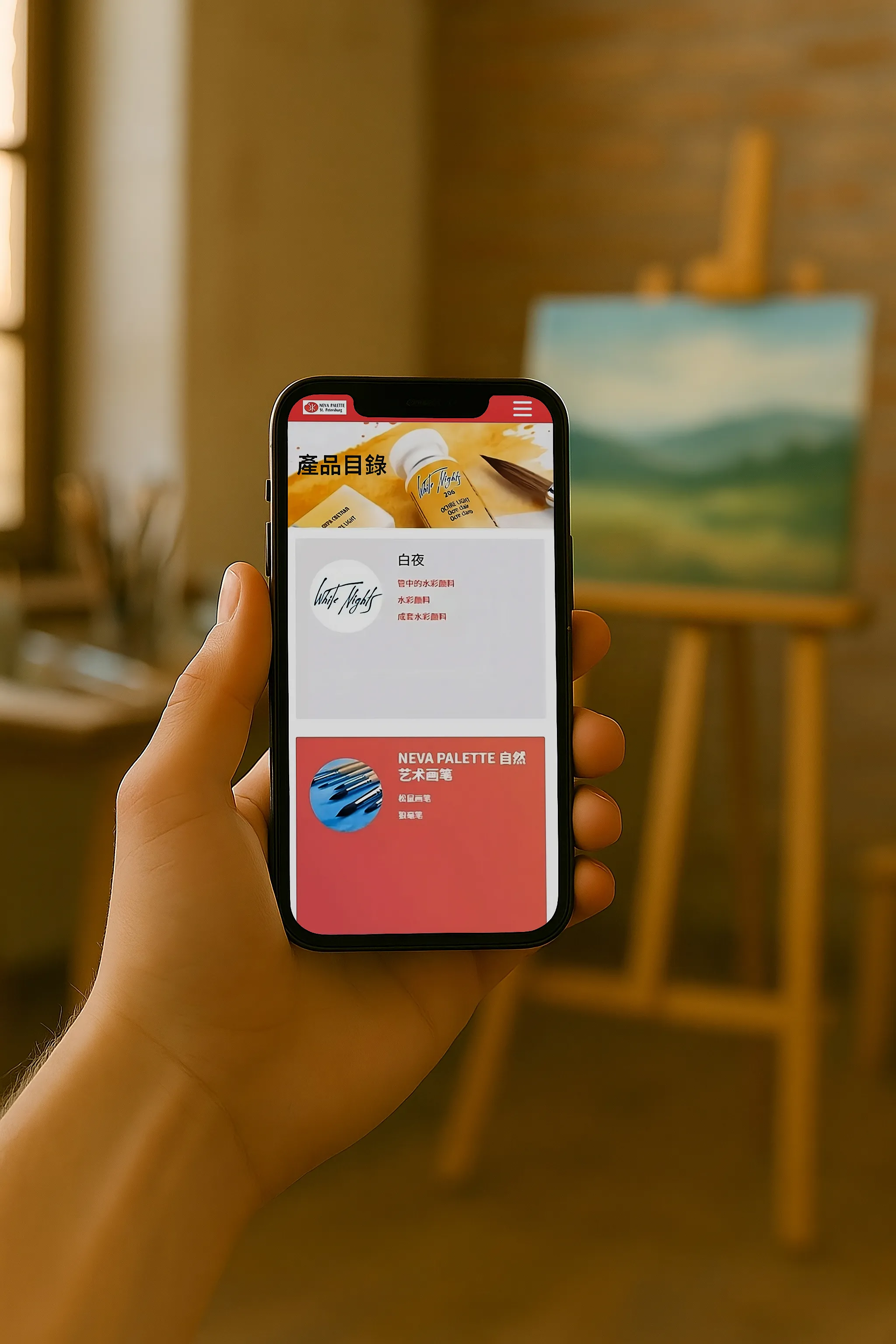
We built Nevapallete.cn for China: Hong Kong hosting, Chinese domain, fast loading across regions, and a timely launch.
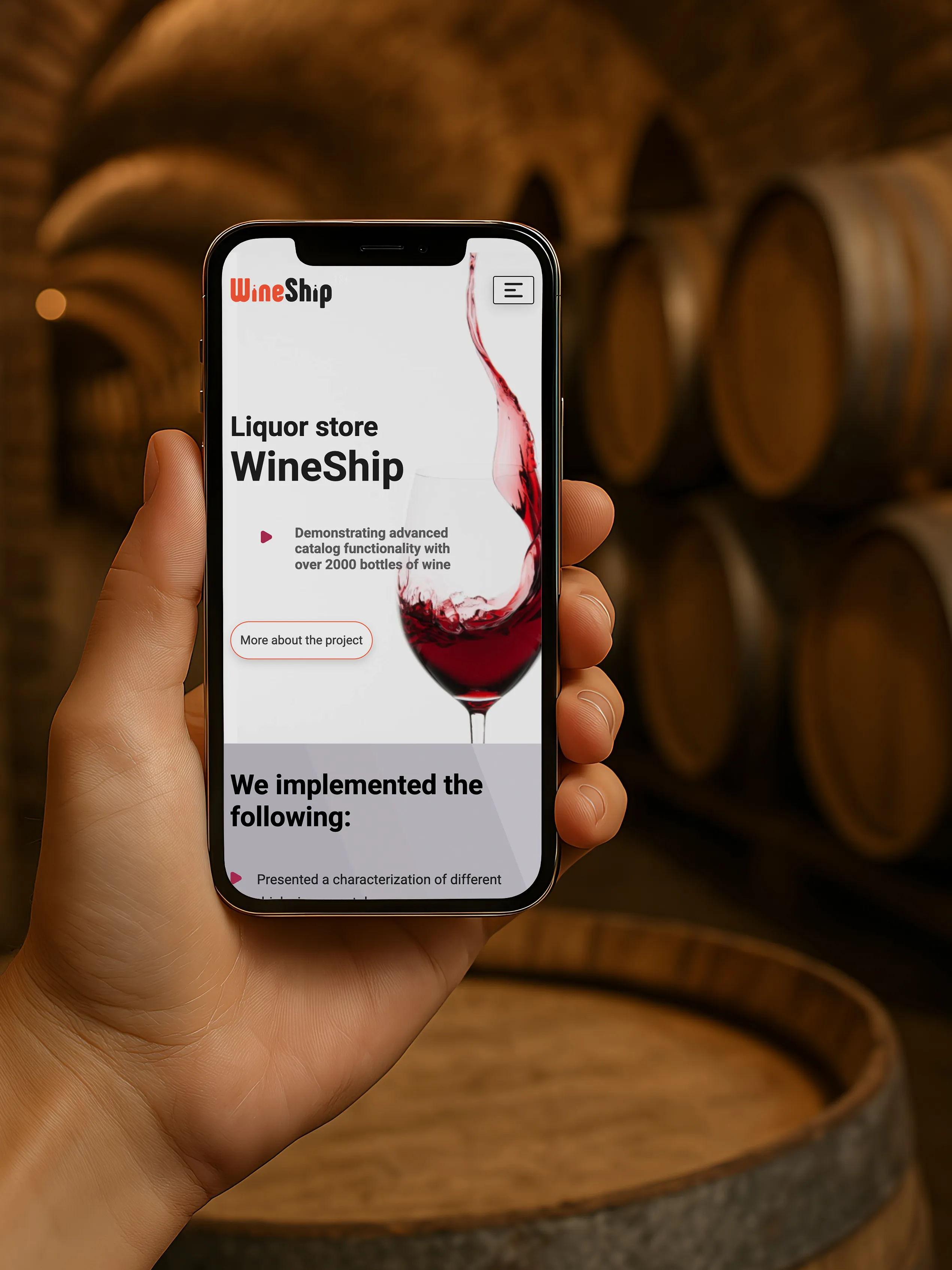
A wine catalog with 2000+ bottles, smart filters, and selection by volume and vintage. Seamless UX and internal linking for better SEO.

Comprehensive SEO for Annazur beauty salon in Florida: traffic growth, local rankings, site optimization, and increased service bookings.
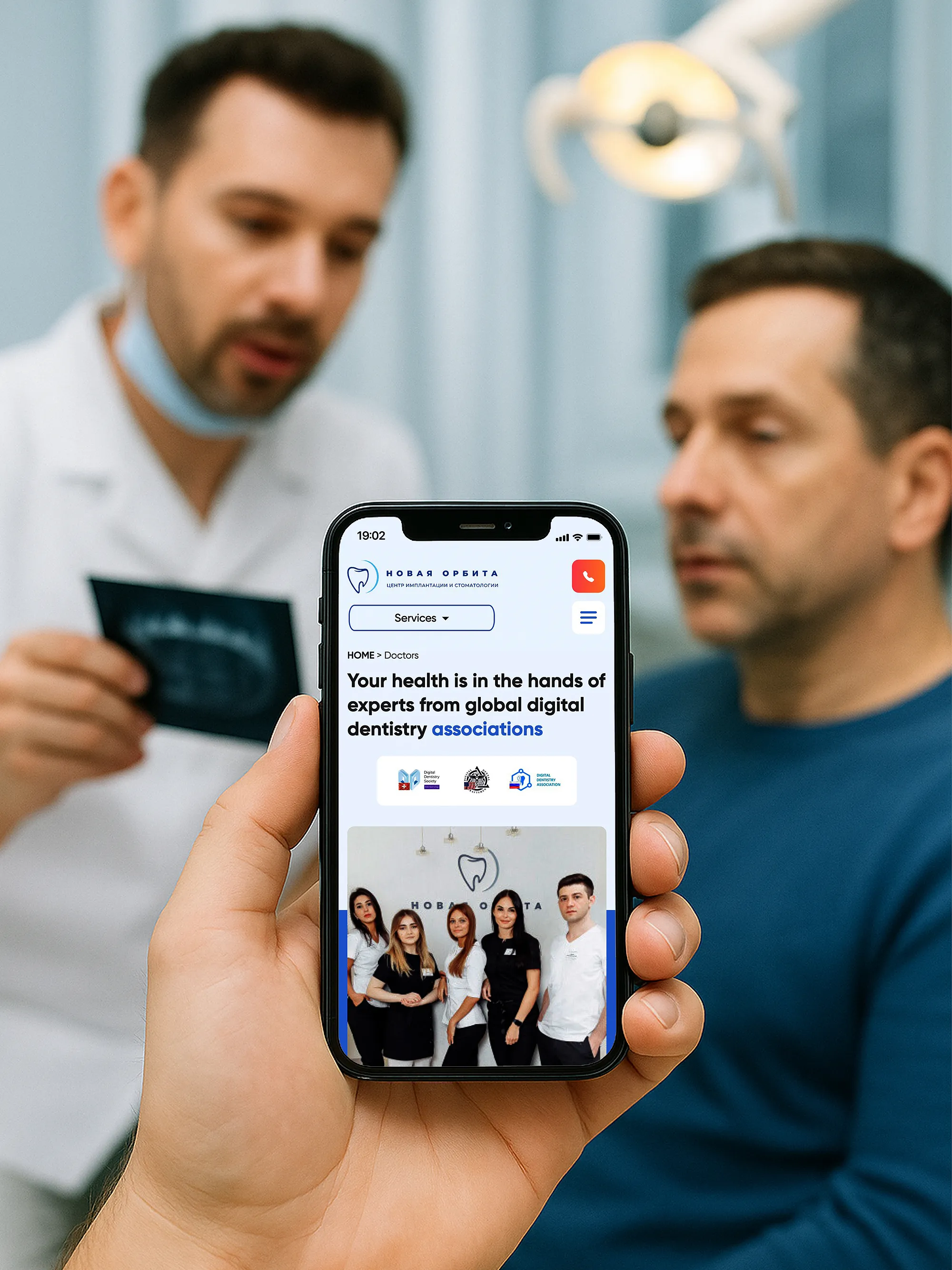
Dental clinic SEO case: 50-80 target calls/month, top search rankings, and traffic growth since Feb 2023 from content and tech improvements.
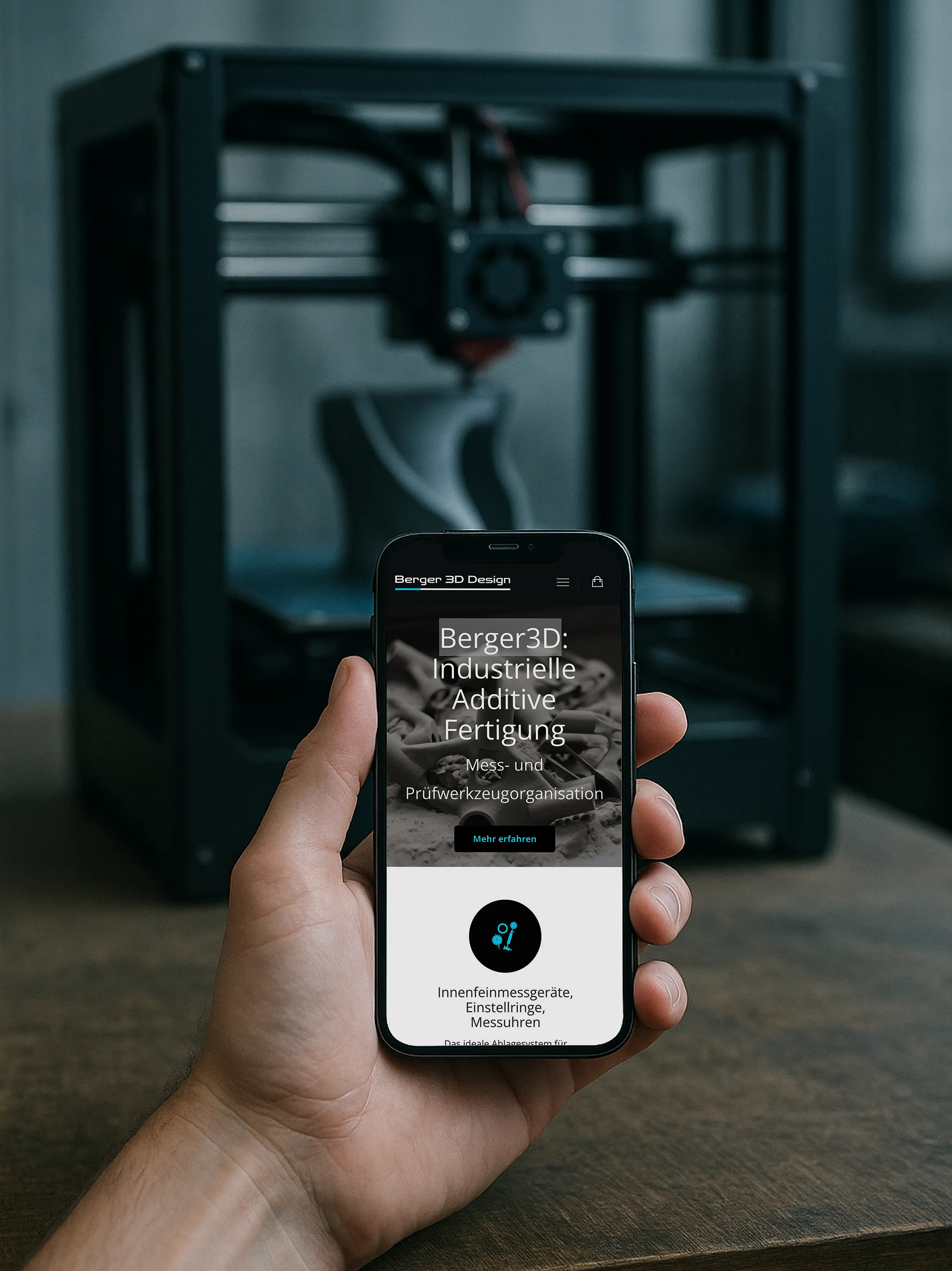
WordPress showcase website with catalog for German B2B- storage systems for measuring equipment. User-friendly catalog, shipping calculation, VAT validation.
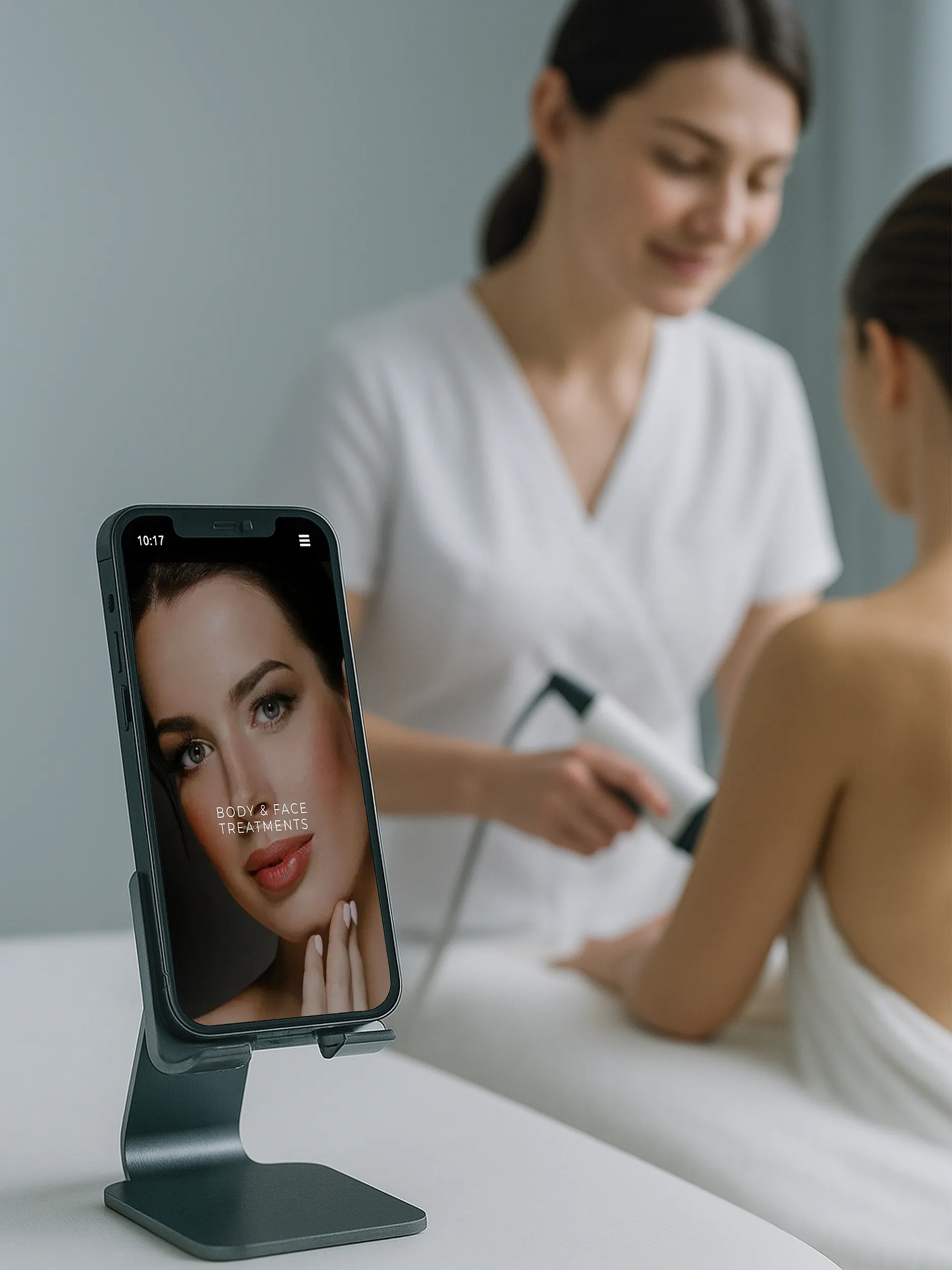
Do you want your website to do more than just exist? Most likely; you want to bring real people to your website and attract customers to your business. At Webdelo, we know how to make that happen. The SoleaBrickellSpa case study is clear proof of our expertise and effective approach.
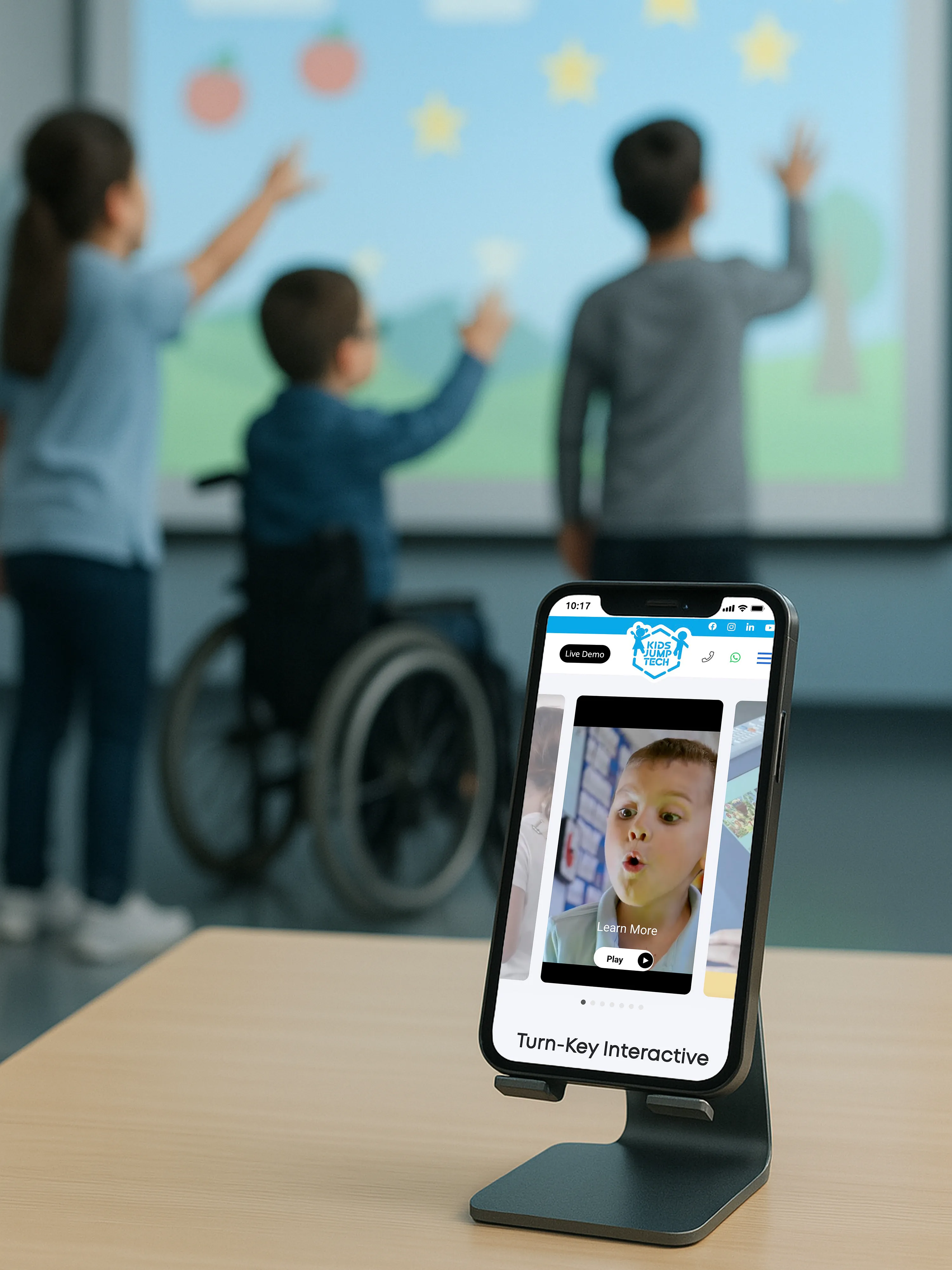
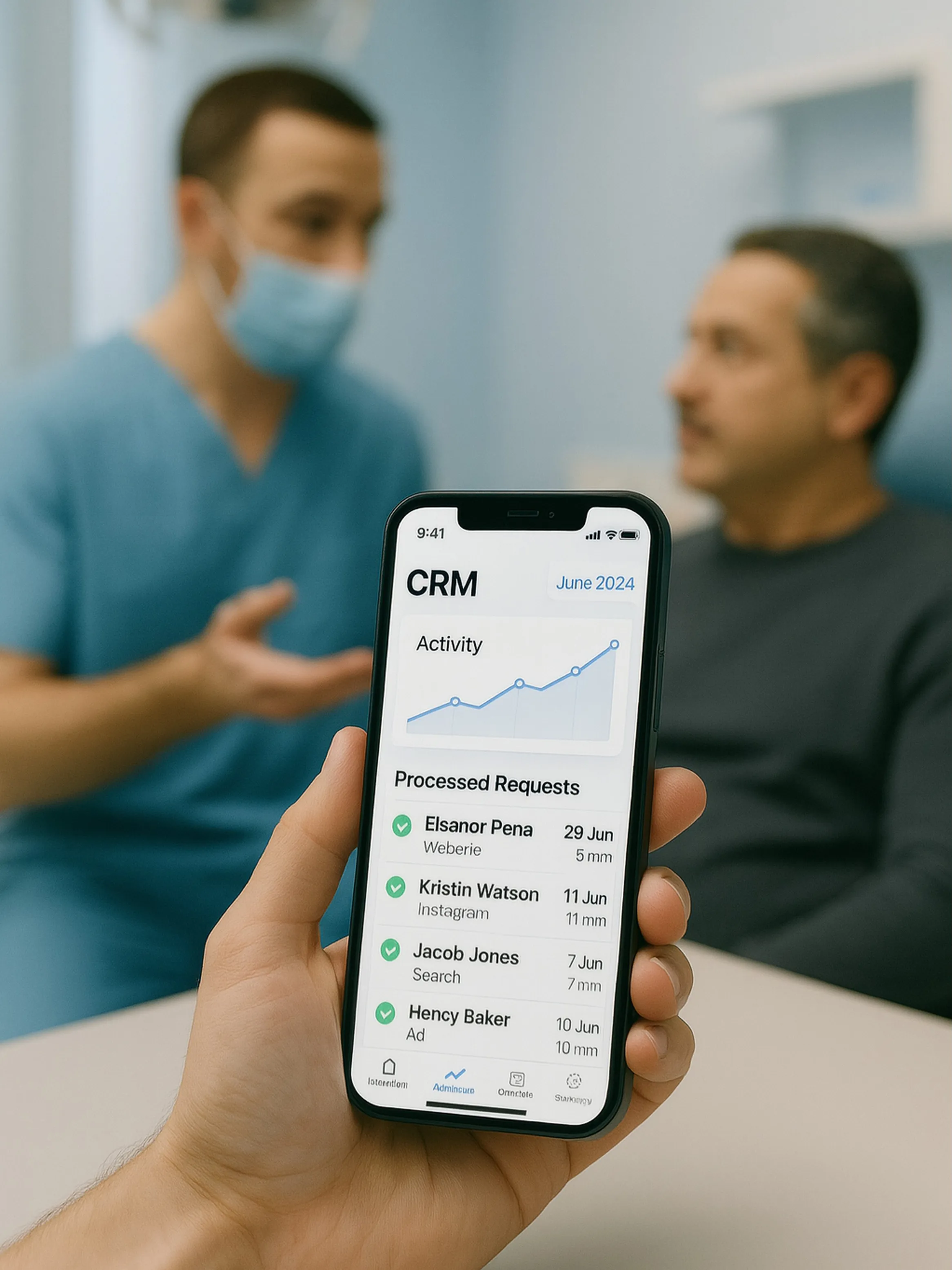
Digital marketing for dental clinics: SEO, Google Maps, and targeted ads. Over 15 years of experience—50,000+ views and 4,860 leads monthly. Grow your clinic with Webdelo!
10 years of niche experience, 7 major projects in Russia and Europe. Comprehensive SEO: from catalog architecture to daily sales and rental leads.

Refinement and development of the educational portal.
Optimization of automatic ad matching.

Full-cycle development: from detailed technical planning and API architecture to launch and support. Transparent sprints and modern technologies for implementing complex ideas.

 We use Cookies