
 USA
USA
 Germany
 Moldova
How We Scaled a Complex EdTech Platform
Vocational education portal

Introduction
Our client reached out to us at a critical moment. Development of their educational platform had stalled: the previous team exited the project without handing over technical documentation or any onboarding materials. This put the launch of new academic sessions at risk, caused downtime, and threatened direct financial loss. The system was already in use, and regaining control quickly was essential to avoid disruption and resume progress.
We helped the client restore control over the platform, re-establish release cycles, and ensure the system’s technical stability—without starting from scratch.
System Overview
The project was a large-scale edtech platform with a wide range of features:
- Management of courses, video lectures, and recorded lessons
- Online exams and testing modules
- Student and instructor dashboards
- Group, schedule, and role-based access management
- Performance analytics and activity tracking
The technical architecture was built on a microservices model:
- 17 Laravel-based microservices communicating over REST APIs
- A Nuxt.js frontend with server-side rendering (SSR) for speed and SEO benefits
- Custom interfaces tailored to each user type
- Load tested to handle up to 600 RPS during peak hours
- Over 20,000 active users
- Integrated with third-party video hosting and authentication services
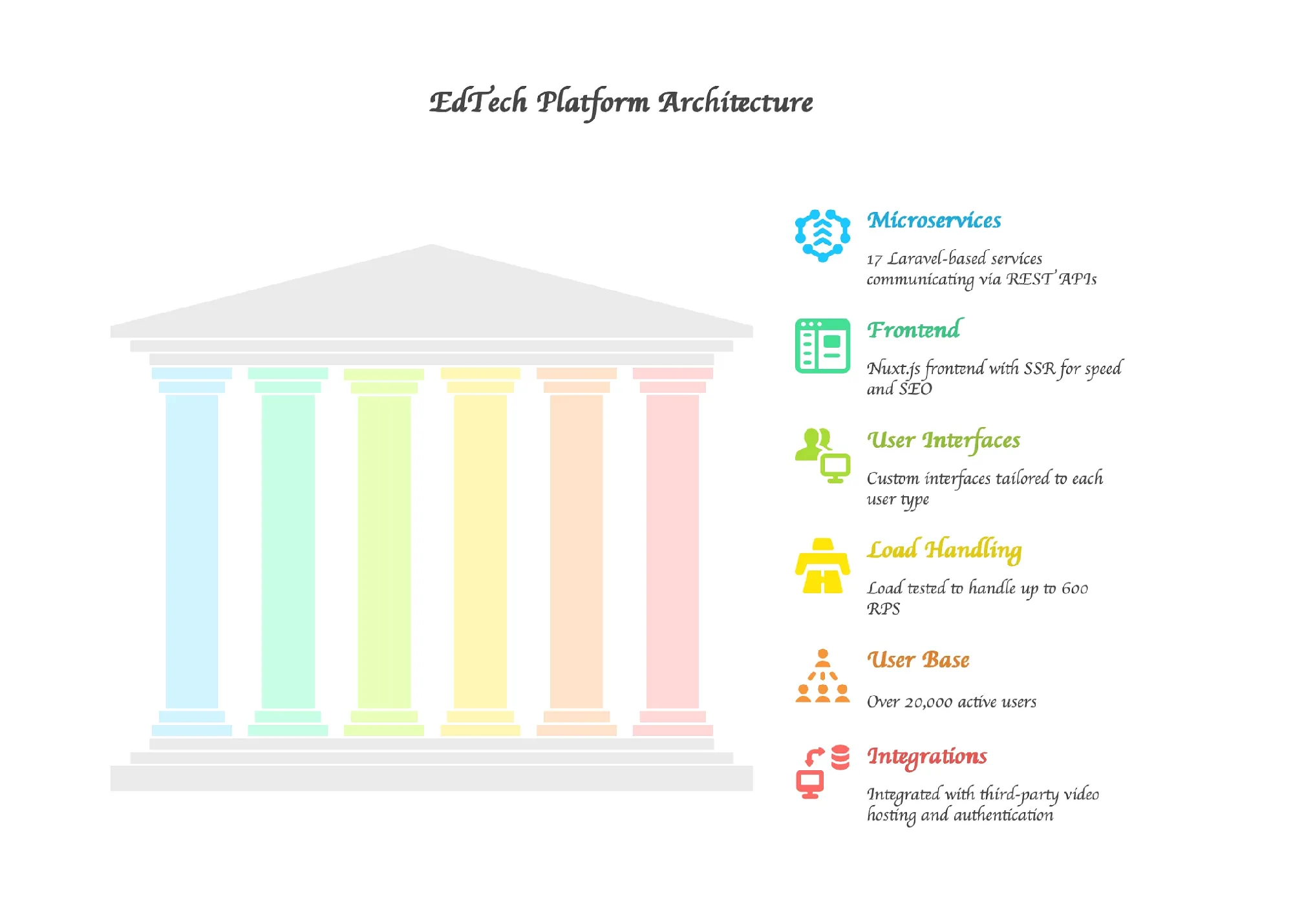
We encountered one major issue: instead of Laravel’s standard Eloquent ORM, the system used a custom-built Data Mapper. It had no documentation, no tests, and no ties to common libraries like Doctrine. This significantly raised the entry barrier for new developers.
Problem: Total Absence of Documentation
The Situation
The platform was operational but completely opaque. Dozens of microservices, non-standard architectural decisions, and zero documentation. No diagrams, no API specs, and no access to the former developers.
What We Did
- Deployed the platform in a controlled test environment and audited all services/li>
- Mapped internal service dependencies and API calls/li>
- Created internal documentation for key system components/li>
- Aligned technical understanding with the client’s QA and DevOps teams/li>
- Identified architectural bottlenecks and risk areas
Result: Within two days, our team started delivering simple updates. With each new day, we confidently handled increasingly complex tasks. We built a complete understanding of the system and aligned it with business requirements—allowing us to deliver meaningful outcomes fast.
Problem: Navigating a Custom Data Mapper
The Situation
The project didn’t use Laravel’s Eloquent. Instead, it relied on a fully custom-built Data Mapper—unfamiliar, undocumented, and without unit tests.
What We Did
Rewriting the ORM would’ve been too risky and time-consuming. Instead, we focused on understanding and adapting to it through experimentation and reverse engineering:
- Analyzed the Data Mapper’s behavior through test cases and controlled scenarios
- Created internal knowledge base and cheat sheets
- Trained our developers using examples, code reviews, and live walkthroughs
- Established consistent internal patterns for interacting with the ORM safely
Result: The client gained a stable foundation for extending the system without rewriting critical components. Our developers learned how to work within the existing architecture, mitigating technical risks and confidently implementing new features.
Results
We successfully:
Conclusion
If you're inheriting a project/website with no documentation and limited context, this case proves that it's still possible to move forward without pausing your business. Instead of pushing for a full rebuild, we studied the system, trained the team, and restored stability.
This outcome wasn’t luck—it was the result of engineering discipline and hands-on experience. The ability to read undocumented code, adapt to unusual architectures, and embed seamlessly into active projects is what sets Webdelo apart. Our team delivers under pressure by relying on real technical expertise and structured, repeatable methods—not vague promises.
Other projects

VPUT is an aggregator for apartment rentals in Bulgaria. Over a dozen people worked on this project, with an overall investment of 300,000 euros. This rental property database currently features 2,200 units.


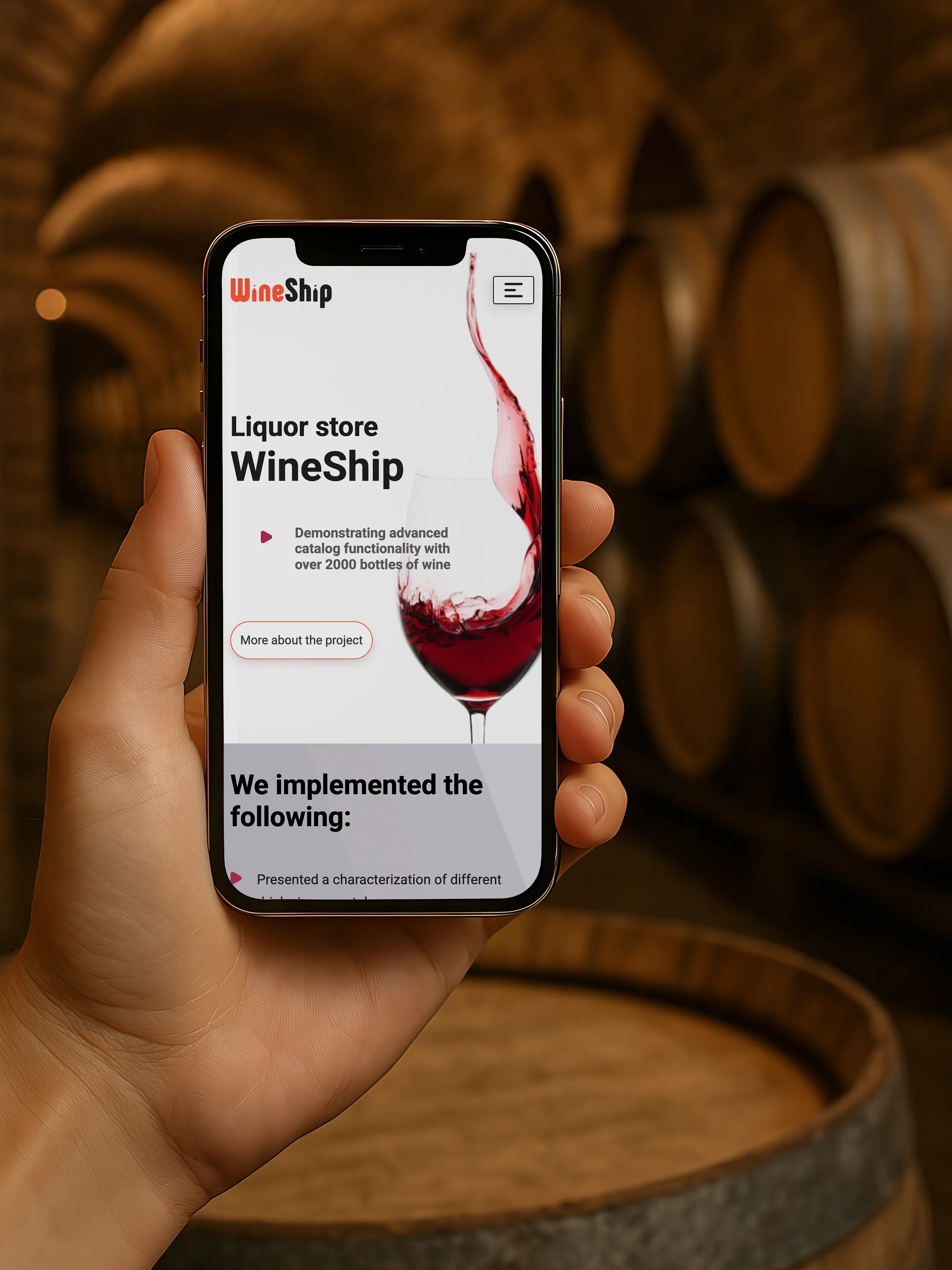
WineShip Liquor Store – advanced catalog functionality with over 2,000 bottles of wine.
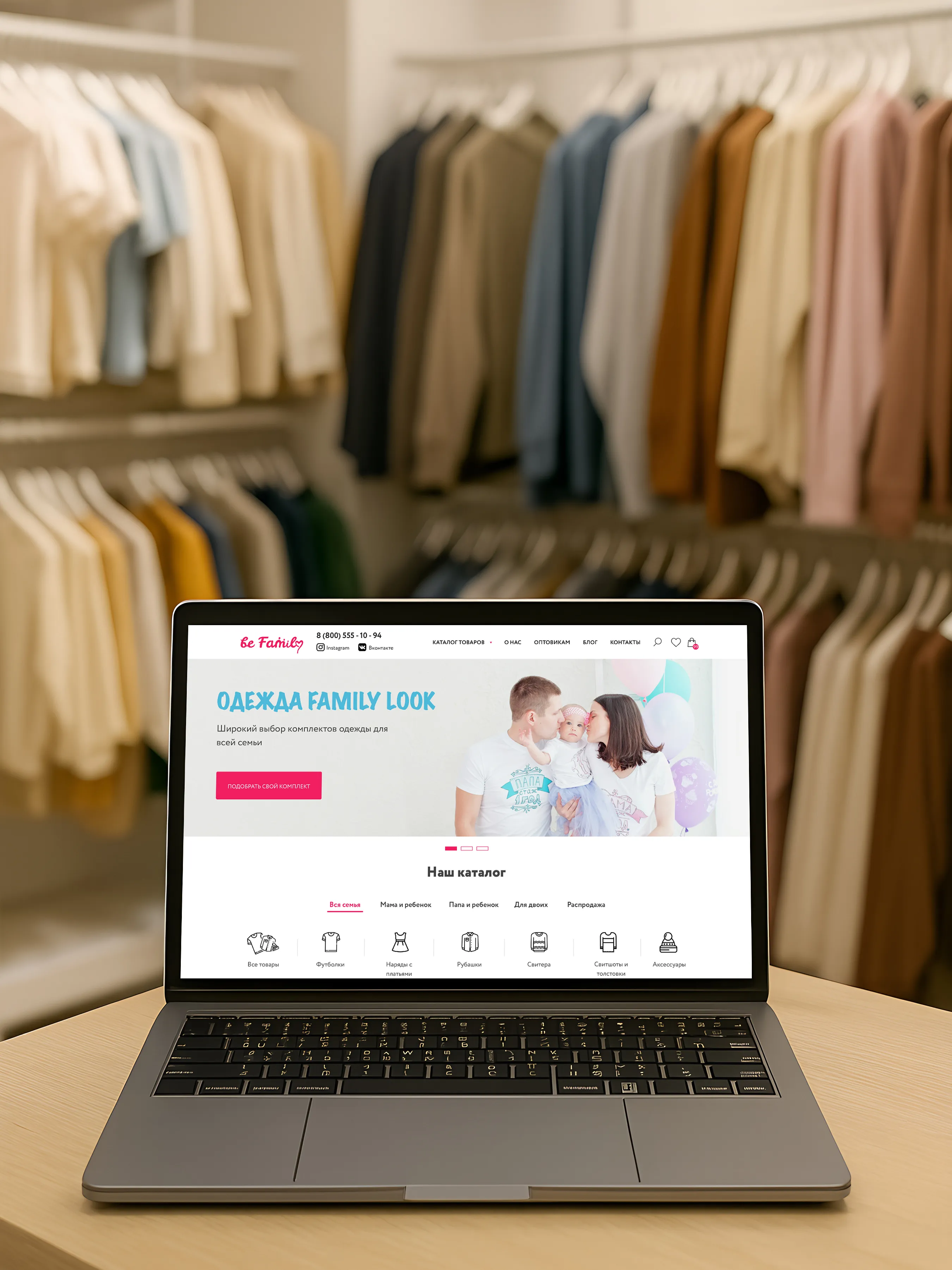
We developed a family clothing online store, optimizing the catalog, design, and user experience, boosting sales with SEO and usability improvements.
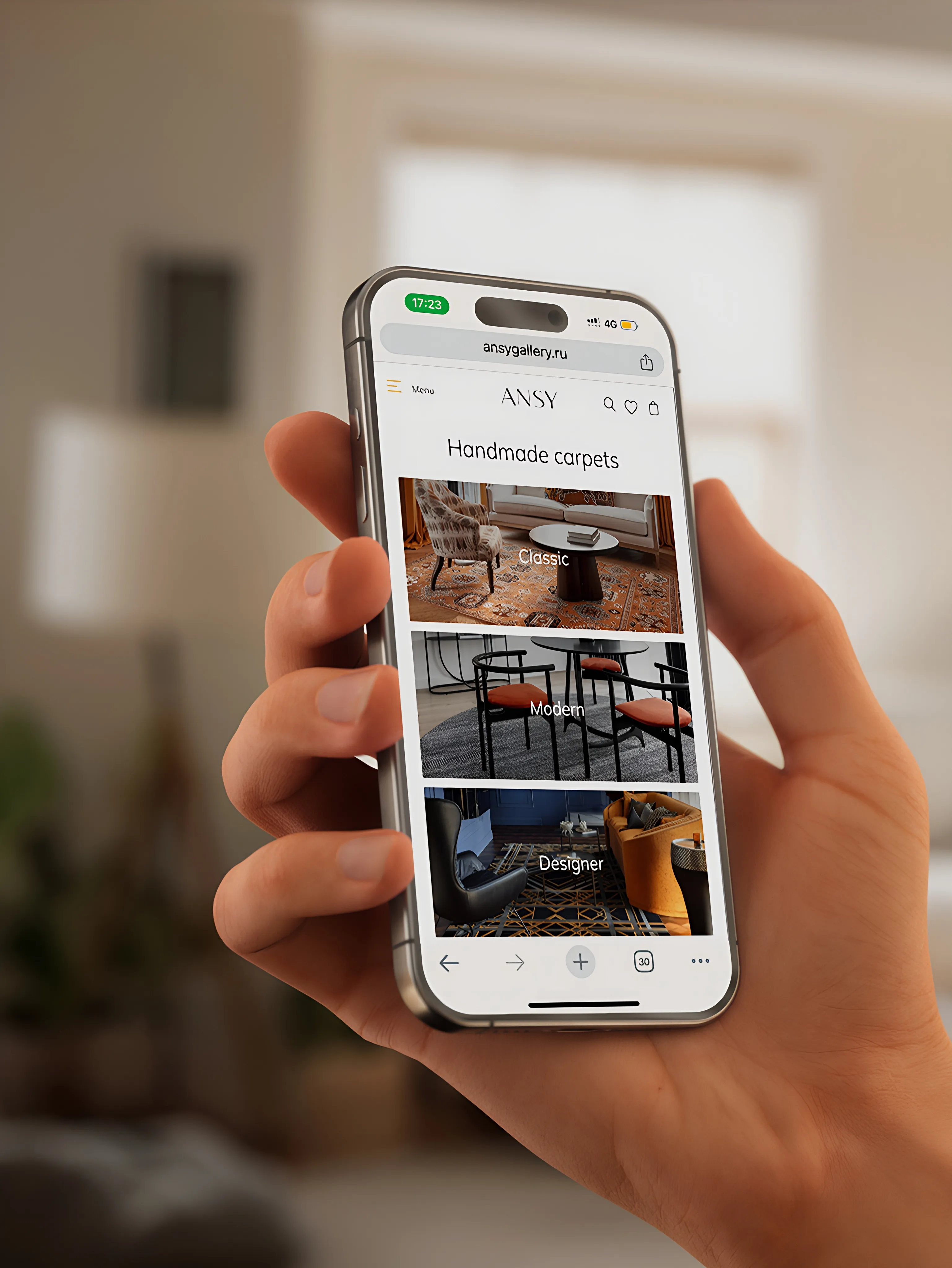
A modern site for selling elite, handmade carpets. Our main goal was to create a user-friendly, trustworthy website.

Successful launch of the RiseX cryptocurrency exchange from scratch – in just 7 months. The project involved 5+ people.
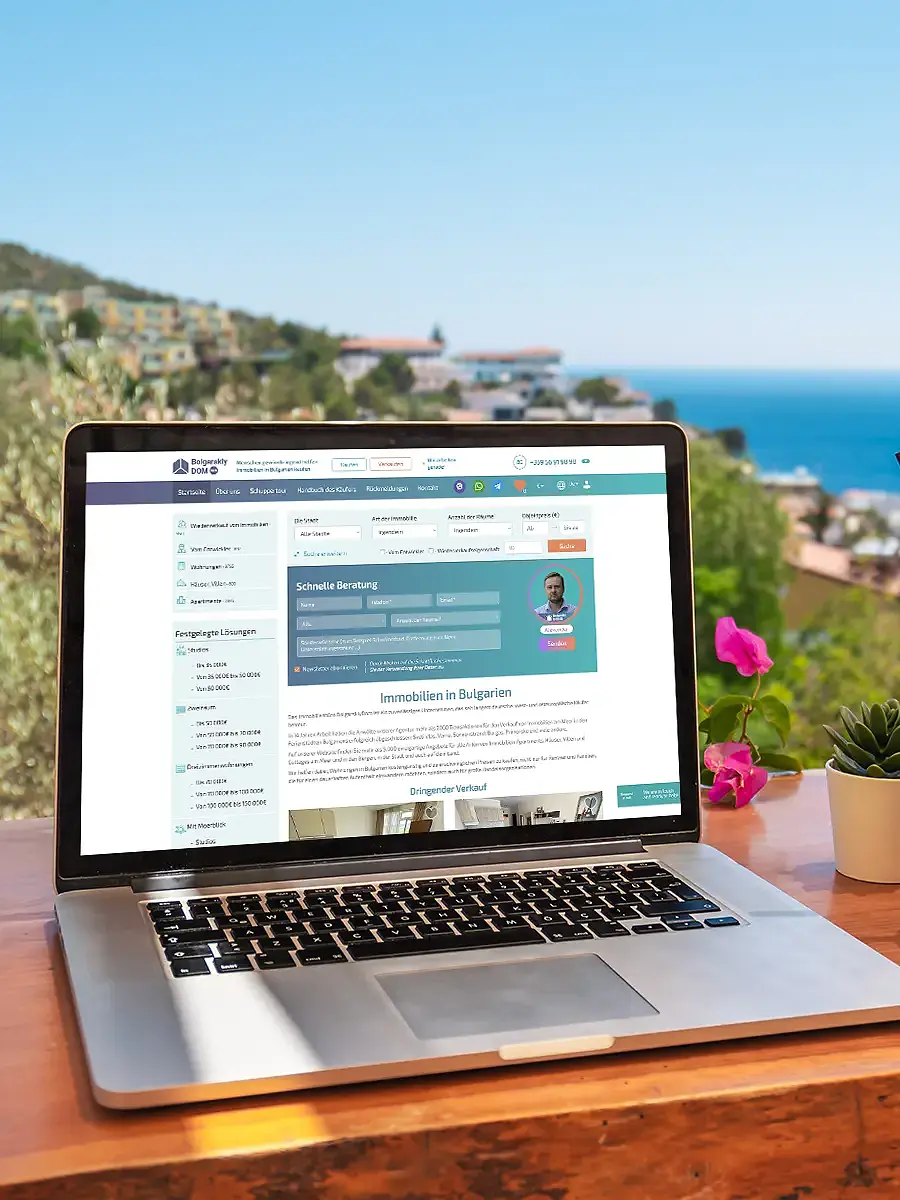
Bolgarskiy Dom is an aggregator for apartment sales in Bulgaria. Over 10 of our people worked on launching this project, creating a database of 5,000 apartments (as of 2024).

Neweurofences.com is an online store specializing in metal fences and gates. It operates in the USA, with delivery available to other countries.

Webdelo recently worked with a brand new dental office in a highly competitive market. We started with a limited budget, and this was one of our first projects in the USA. Read more to learn how we approached this project.

Solea Wellness is a beauty and health salon in Miami offering rejuvenation treatments. The client came to us with the request to increase the website's visibility in search results and attract new customers. The project started with zero rankings, which required a comprehensive approach to promotion and development.

🔹 As a salon in Miami increased applications by 3 times and organic traffic by 250% 🔹 From 0 to 180+ requests in TOP-3: real business growth case

Case study of the development and promotion of an online optical store. Over 10 people worked on this project, creating a catalog with over 10,000 individual items.
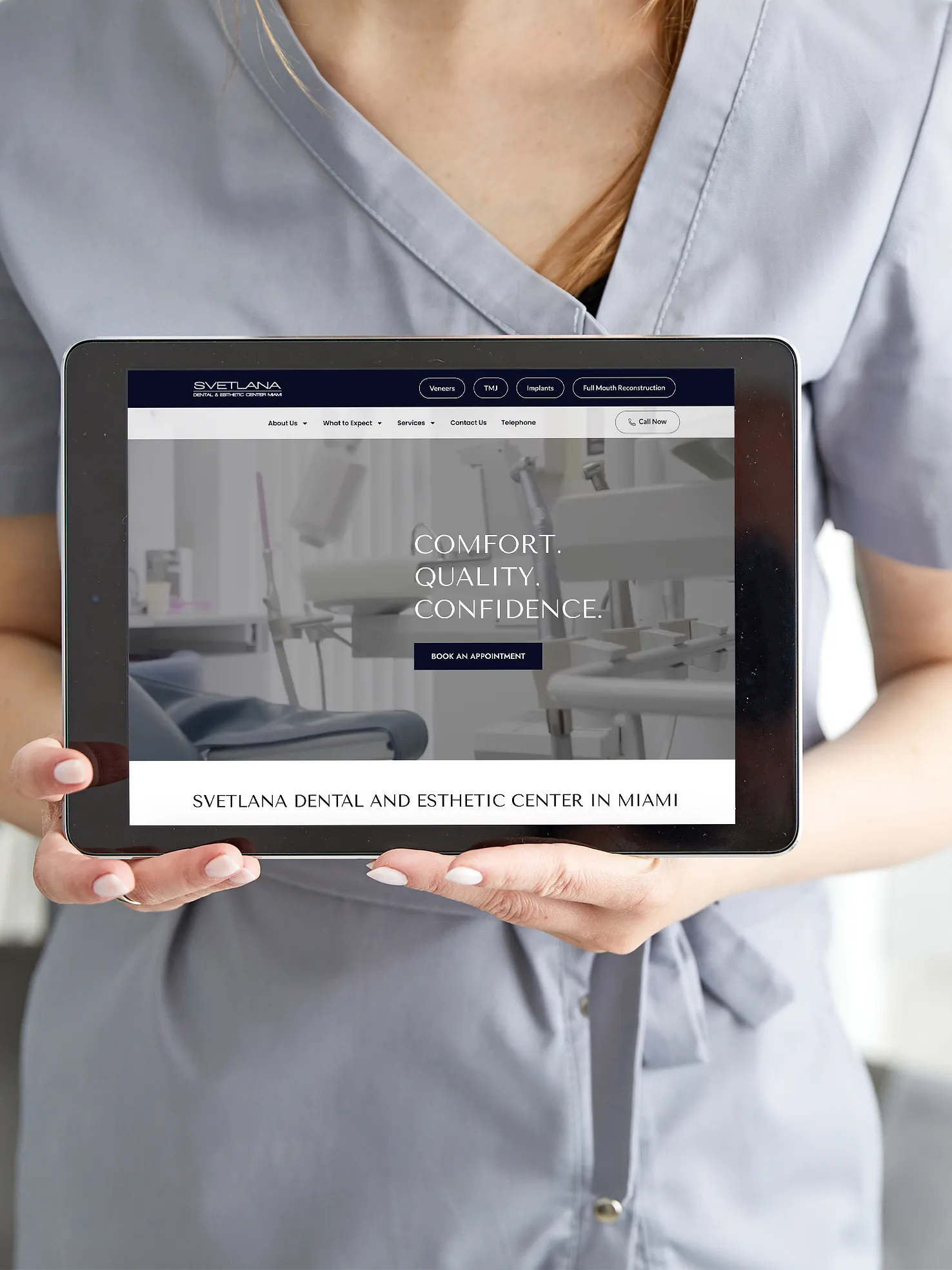
Our case study of Svetlanadental.com explores Webdelo’s work in the promotion and website development of a dental office located in south Florida, USA. This establishment is owned by a doctor with extensive experience in her field, and numerous awards.
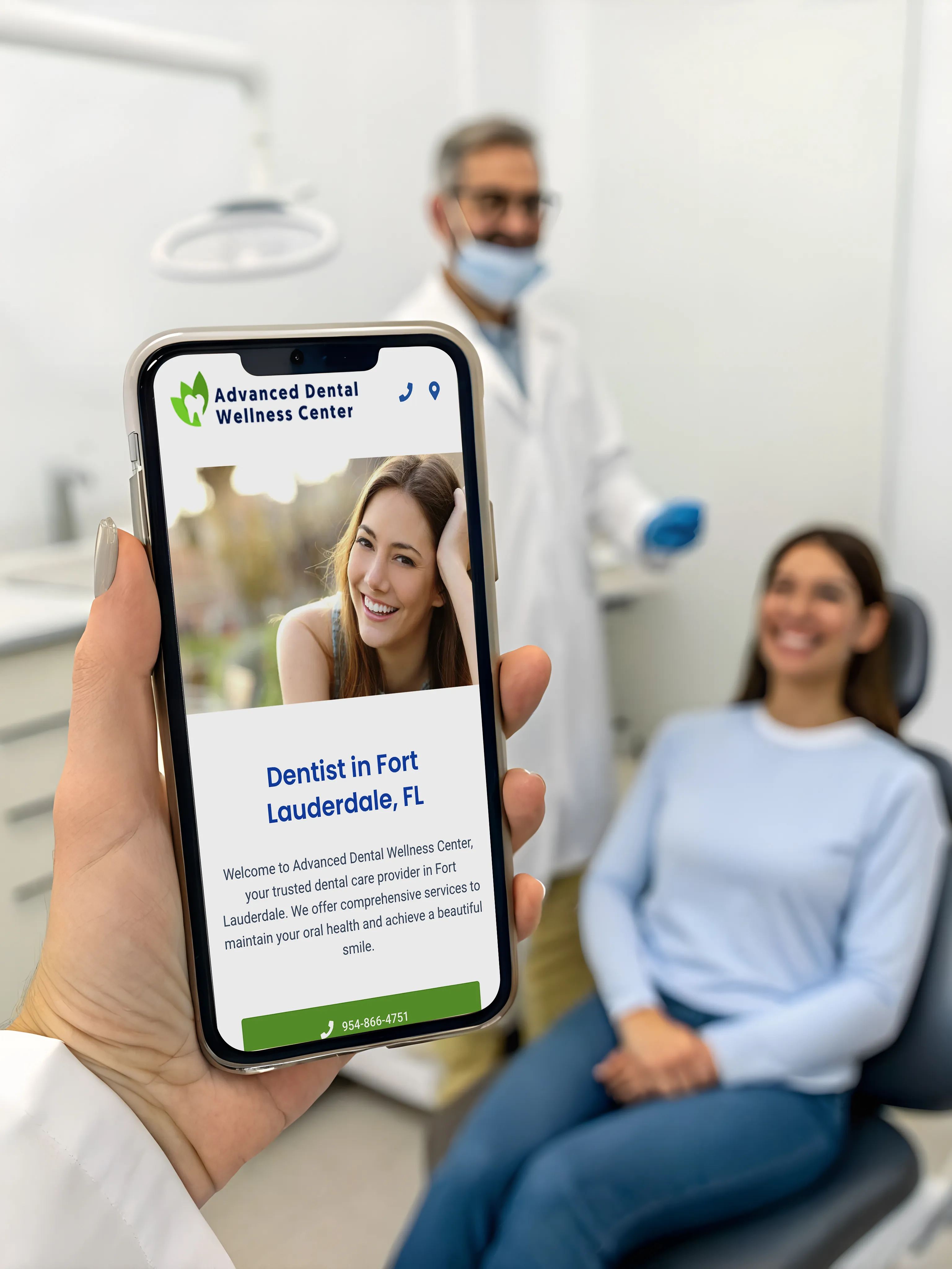
Advanced Dental Wellness Center is a dental office in Miami, Fort Lauderdale. ADW offers holistic dentistry with a unique approach to treatment.

Migrated MyMoneyArt to WordPress, optimized SEO & UX: +500% traffic, 6× more leads.

Biomilk is a food distributor in Moscow and the regions. +100% organic traffic in 3 months, 200 keywords in the top 10 of Yandex and Google.
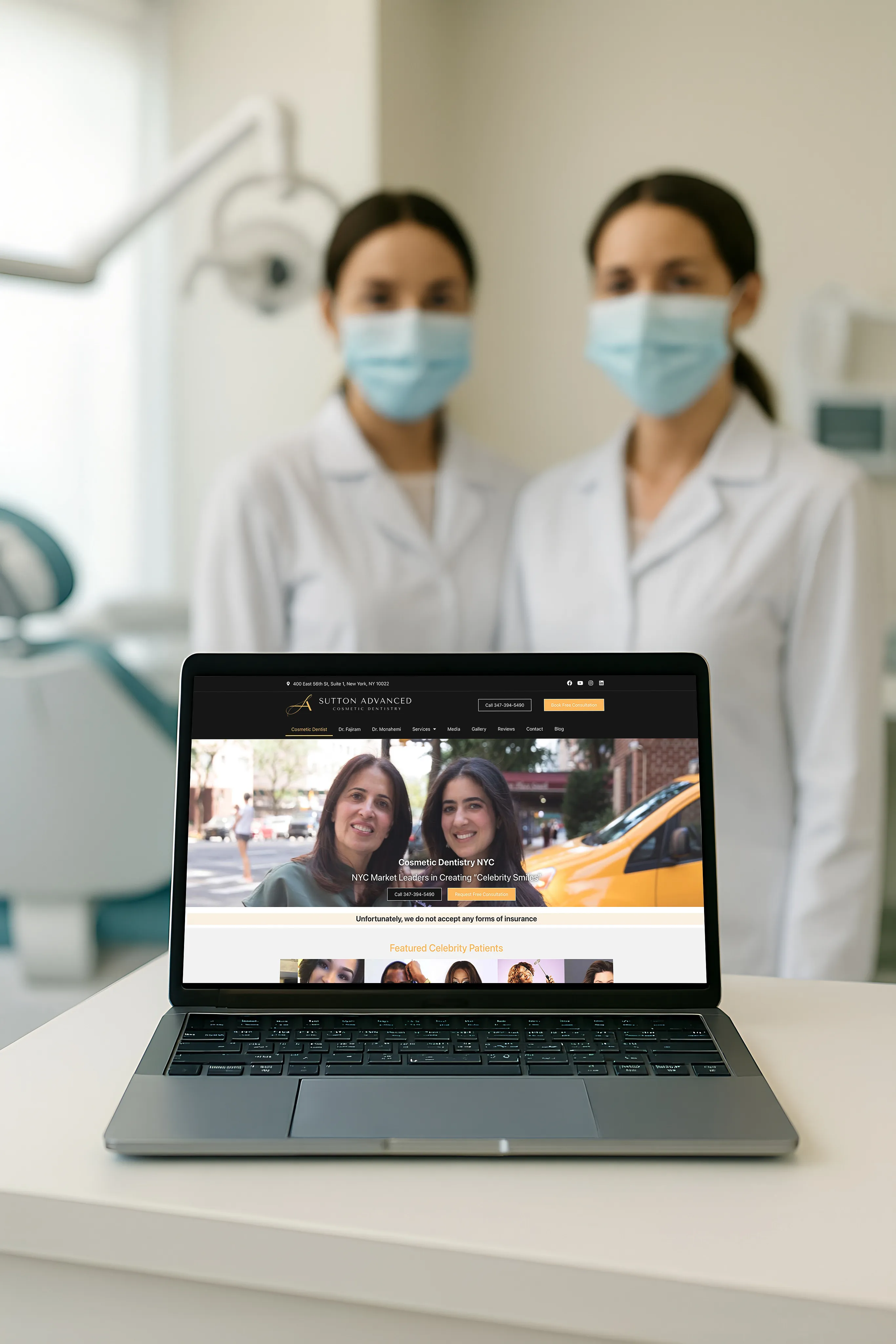
Promotion of VIP Dentistry in Manhattan, New York City From 13 to 80 Queries in Google’s Top 10 in Six Months
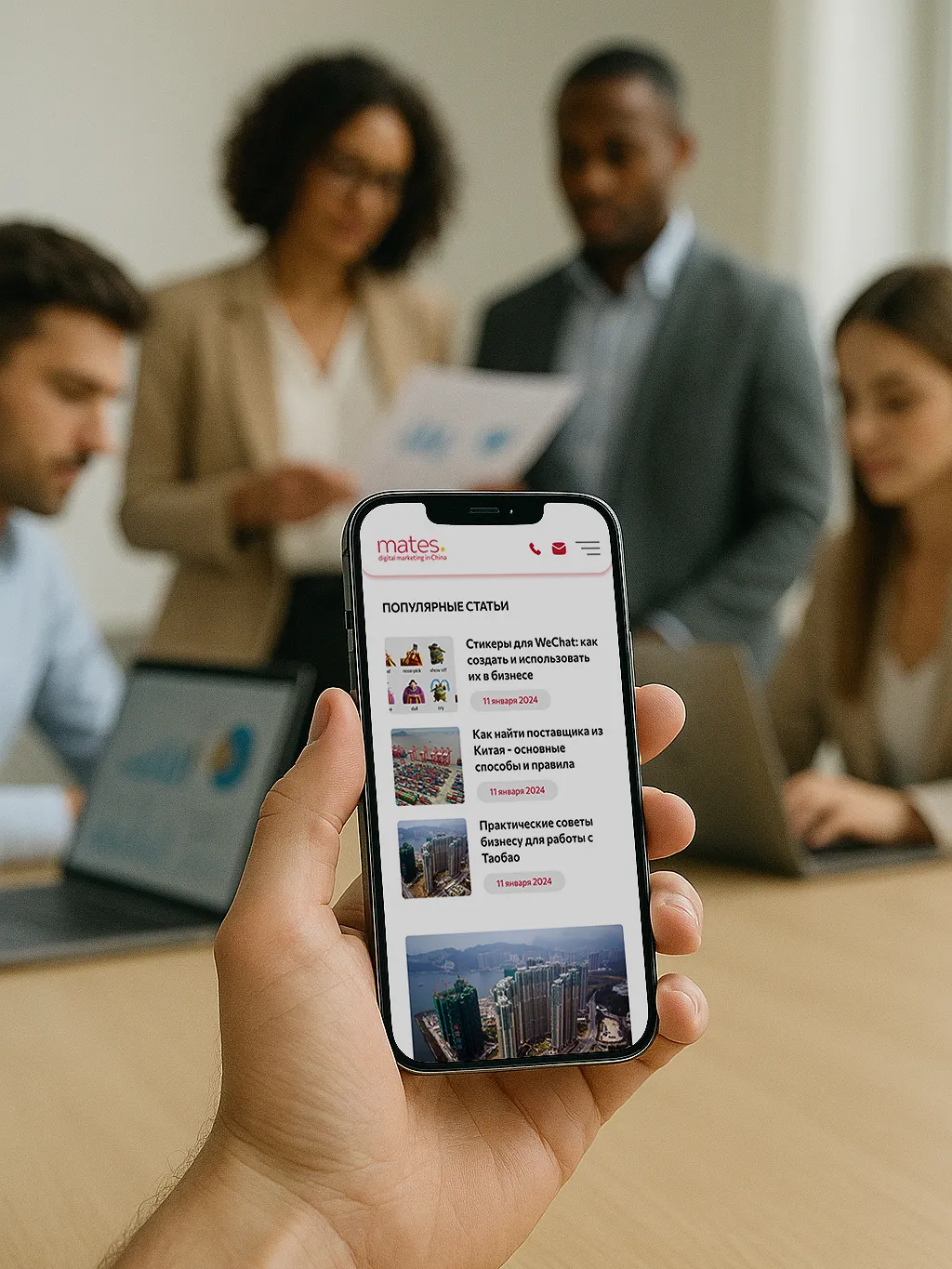
Mates China is a digital marketing agency that helps businesses promote their products in China through local social networks and marketplaces, including: WeChat, Weibo, Baidu, Douyin, LRB, and others. We helped their team increase traffic by 12 times over a period of 7 months.

How We Built a Vacation Rental Service in Bulgaria and Reached 1,500 Seasonal Bookings – From Idea to Full-Scale Product with SEO and Marketing

Online service with automatic price calculation and +40% orders right after launch.
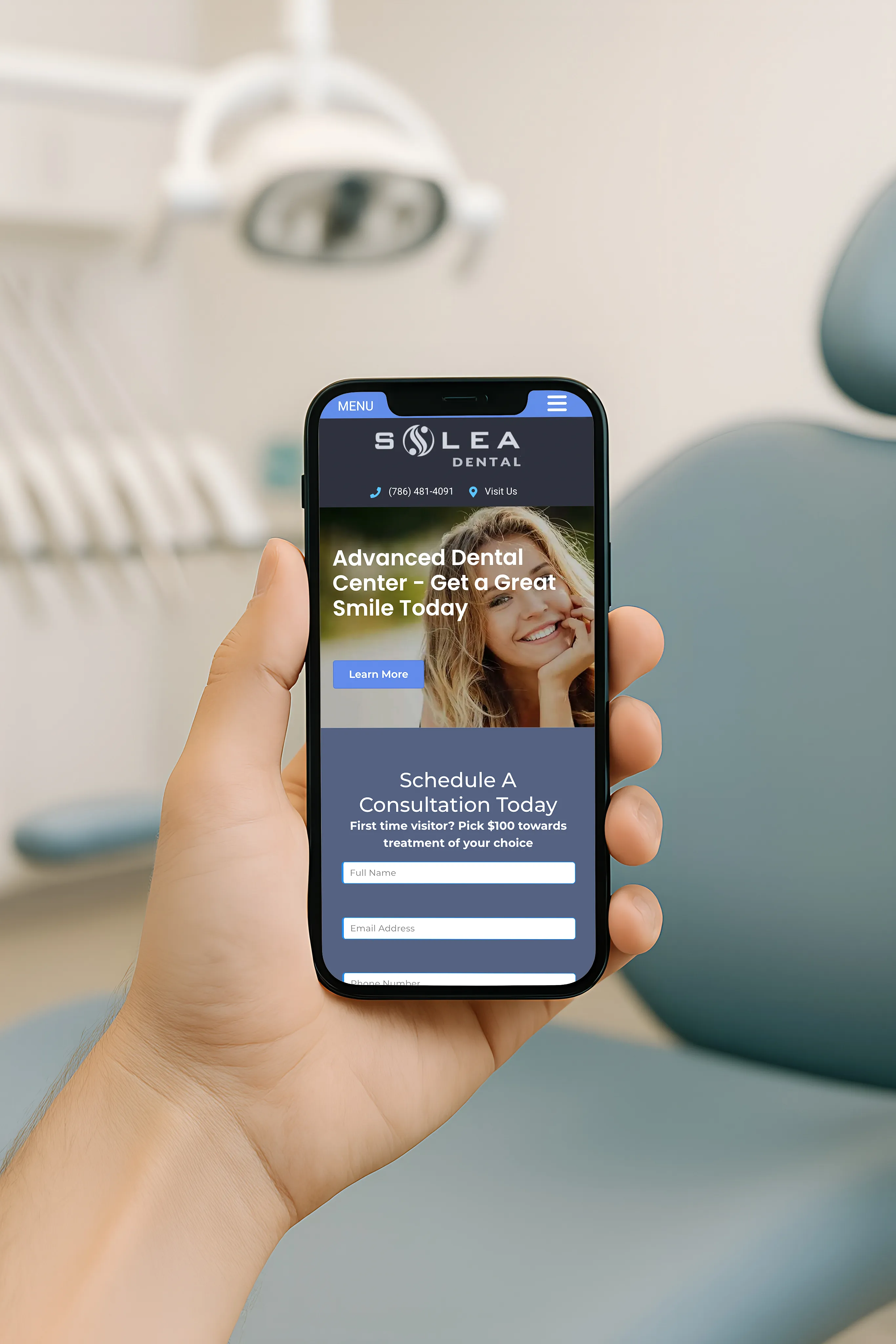
A dental clinic located in Sunny Isles Beach tripled its number of patient inquiries through search engine traffic and digital marketing. We started promoting the website from scratch, right after the clinic launched.

Explore our SEO approach — from analysis and audits to content, links, and ads. See how we drive businesses to the top of search results.
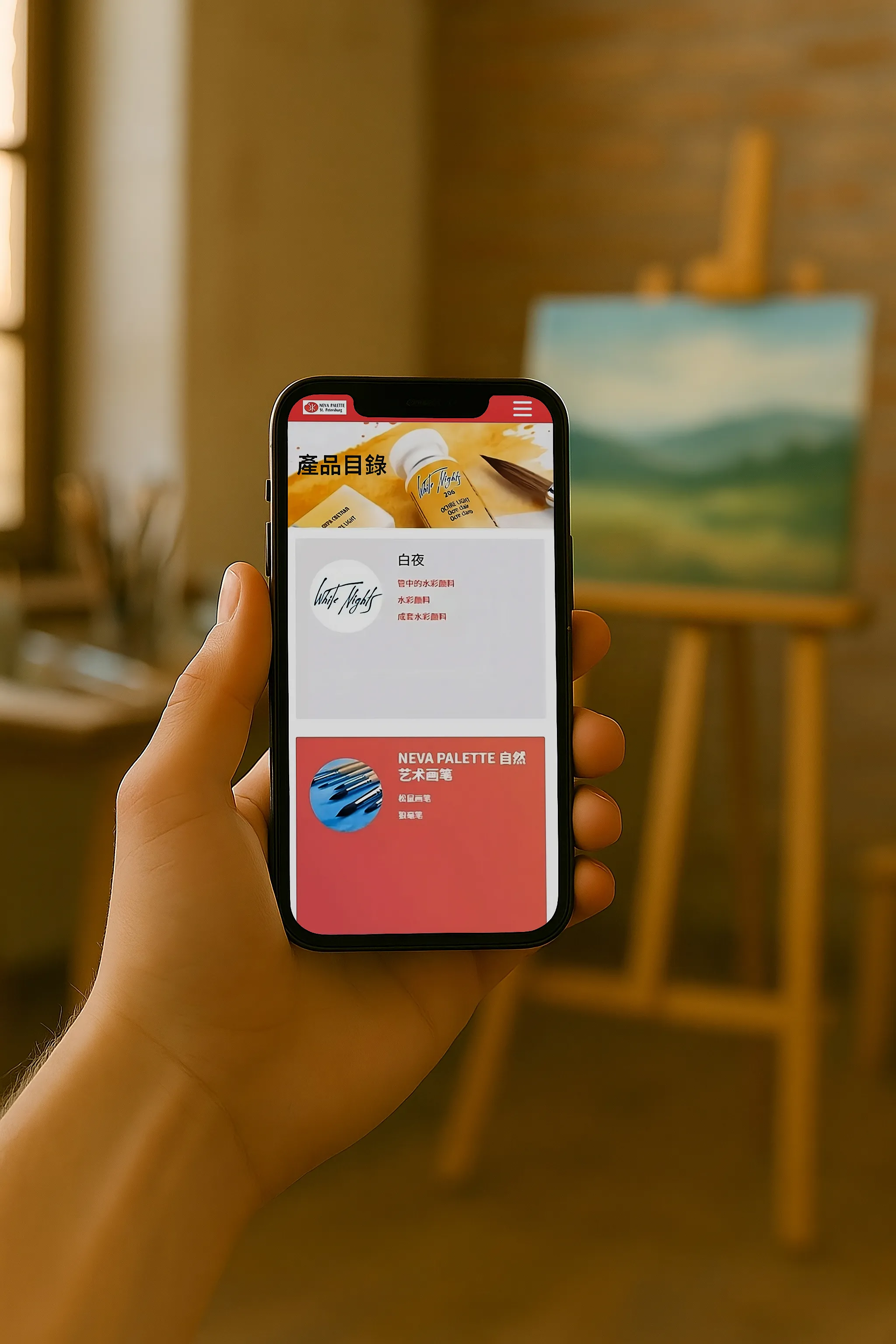
We built Nevapallete.cn for China: Hong Kong hosting, Chinese domain, fast loading across regions, and a timely launch.
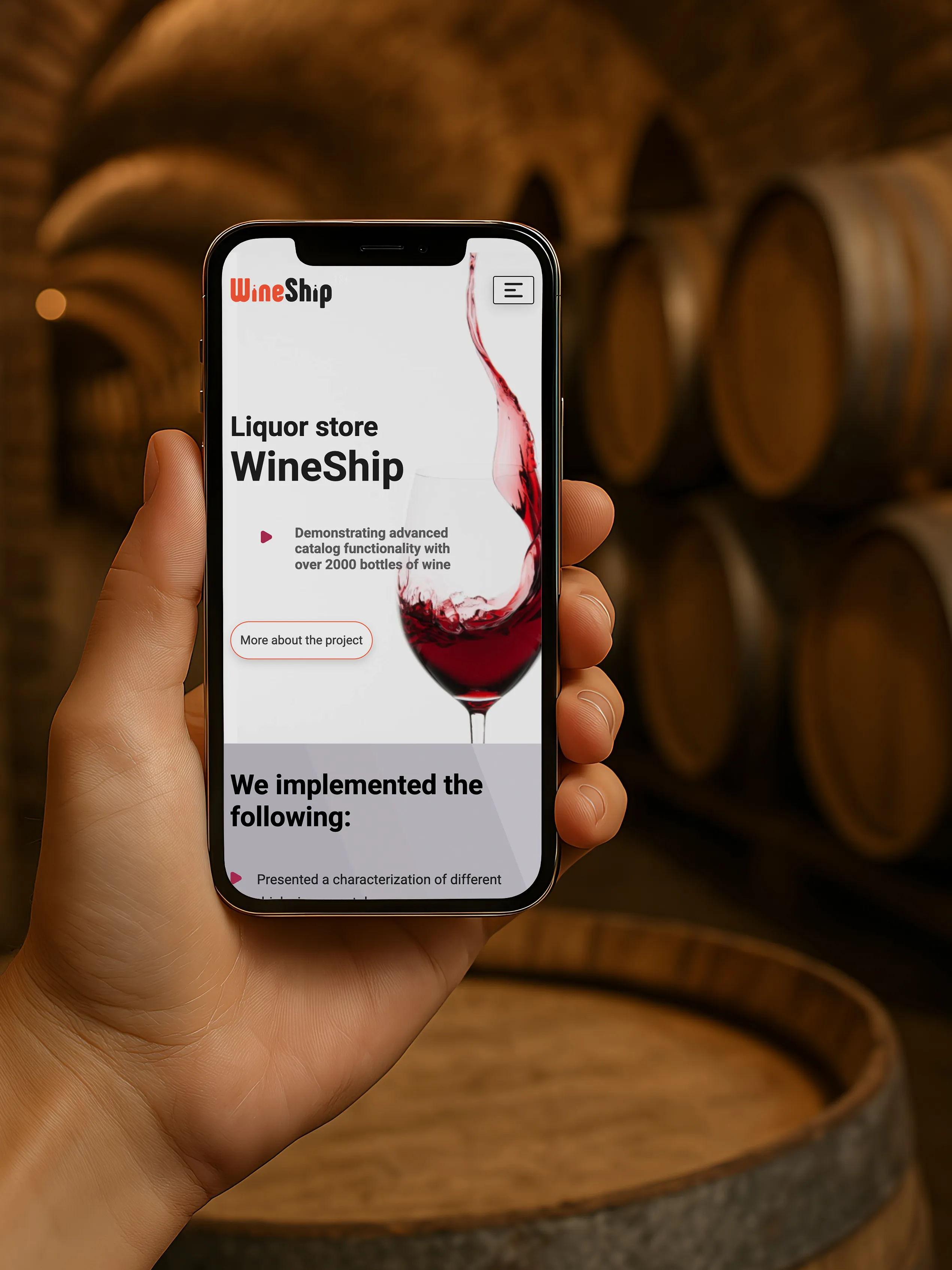
A wine catalog with 2000+ bottles, smart filters, and selection by volume and vintage. Seamless UX and internal linking for better SEO.

Comprehensive SEO for Annazur beauty salon in Florida: traffic growth, local rankings, site optimization, and increased service bookings.
Dental clinic SEO case: 50-80 target calls/month, top search rankings, and traffic growth since Feb 2023 from content and tech improvements.
WordPress showcase website with catalog for German B2B- storage systems for measuring equipment. User-friendly catalog, shipping calculation, VAT validation.
Do you want your website to do more than just exist? Most likely; you want to bring real people to your website and attract customers to your business. At Webdelo, we know how to make that happen. The SoleaBrickellSpa case study is clear proof of our expertise and effective approach.
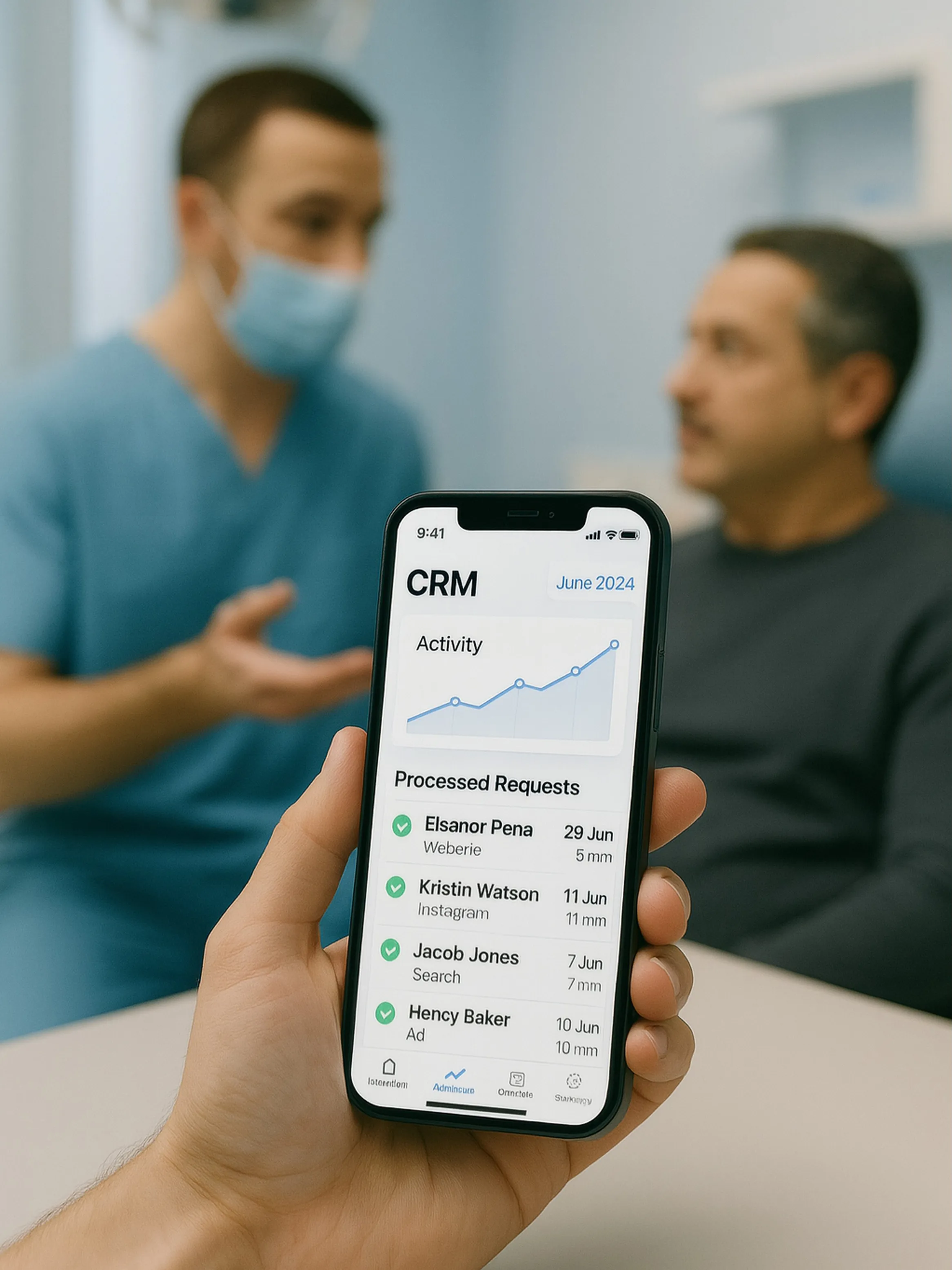
Digital marketing for dental clinics: SEO, Google Maps, and targeted ads. Over 15 years of experience—50,000+ views and 4,860 leads monthly. Grow your clinic with Webdelo!
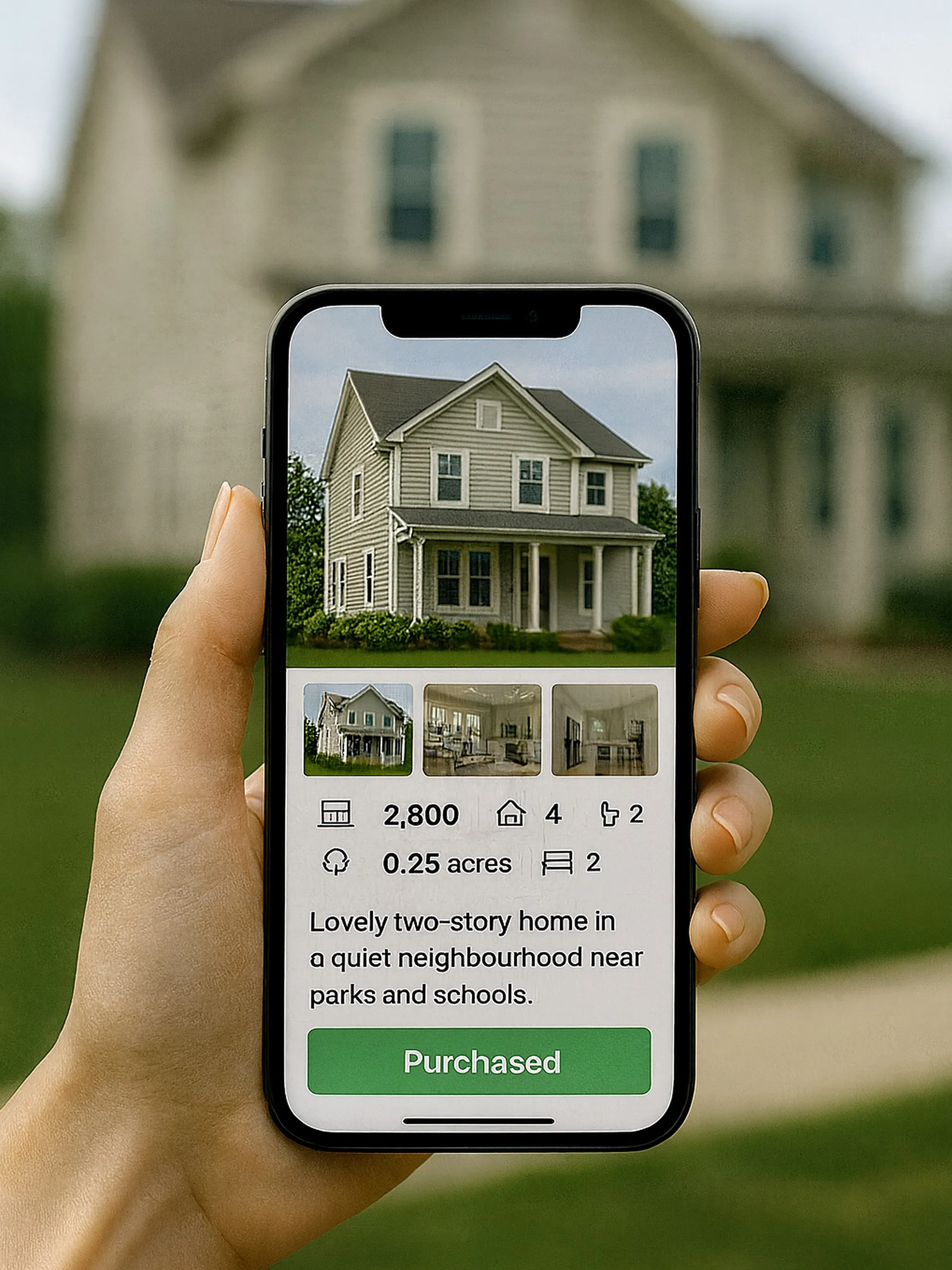
10 years of niche experience, 7 major projects in Russia and Europe. Comprehensive SEO: from catalog architecture to daily sales and rental leads.
Discover how we moved 5 business locations from Excel to a unified system.
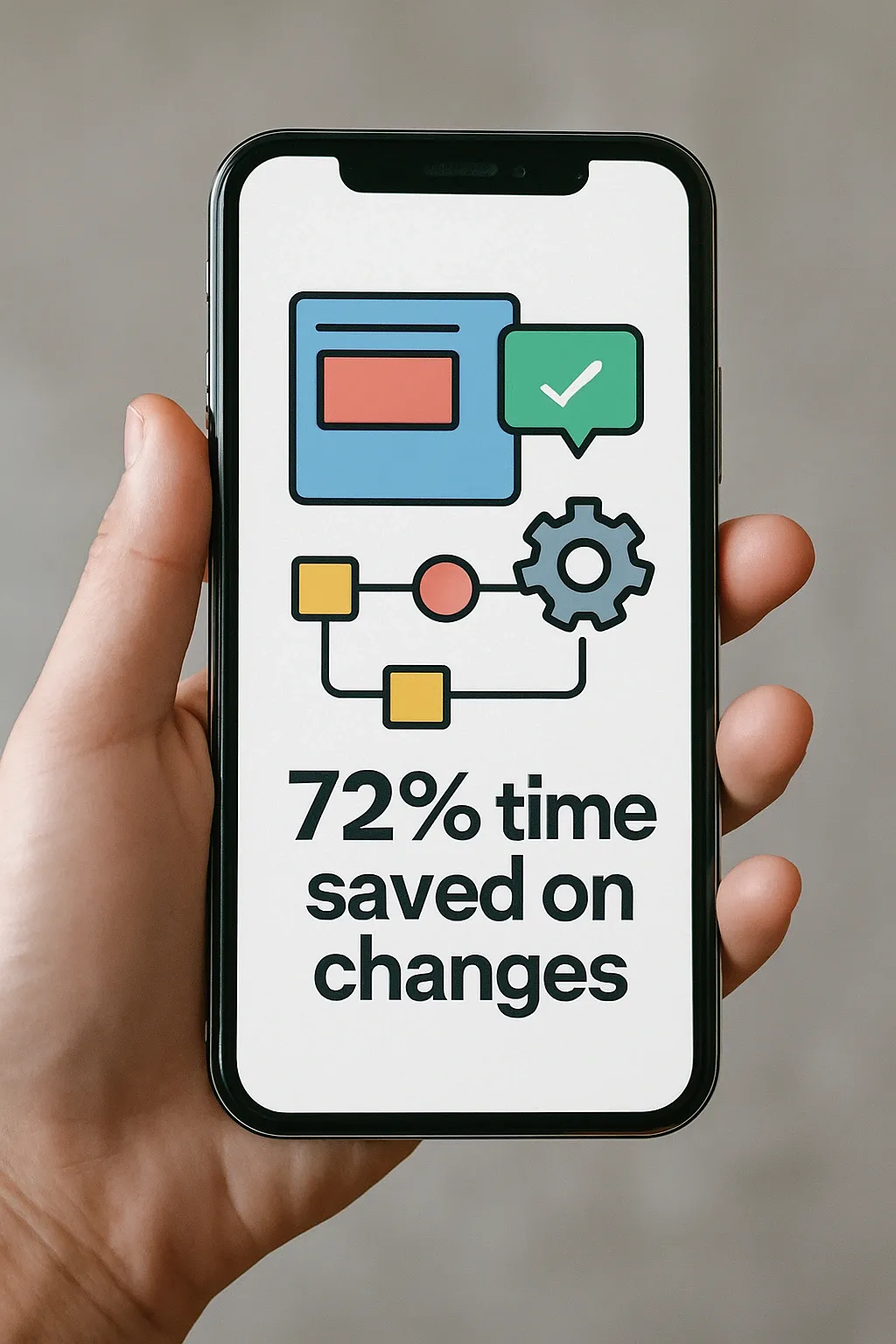
Optimization of automatic ad matching.

Full-cycle development: from detailed technical planning and API architecture to launch and support. Transparent sprints and modern technologies for implementing complex ideas.

 We use Cookies